Quotessence
Home / Quotes / Quote by Virginia Woolf

Quote by Virginia Woolf

“Hail, happiness, then, and after happiness, hail not those dreams which bloat the sharp image as spotted mirrors do the face in a country-inn parlour; dreams which splinter the whole and tear us asunder and wound us and split us apart in the night when we would sleep; but sleep, sleep, so deep that all shapes are ground to dust of infinite softness, water of dimness inscrutable, and there, folded, shrouded, like a mummy, like a moth, prone let us lie on the sand at the bottom of sleep.”

Quote by Virginia Woolf

Book:Orlando

Work

Orlando

Orlando is a novel by Virginia Woolf that tells the story of a young nobleman who, after a mysterious transformation, lives as a woman for several centuries. The narrative spans from the Elizabethan era to the early 20th century, blending biography, fantasy, and satire. The book examines the fluidity of gender, the nature of artistic creation, and the passage of time, all while maintaining a playful and lyrical tone. It is considered a key work in modernist literature and a pioneering exploration of gender identity. more
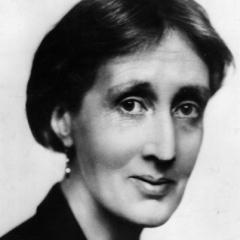
Author

Virginia Woolf
Virginia Woolf

British modernist writer, known for her unique narrative techniques and profound portrayal of female experience. Her works include 'To the Lighthouse' and 'Mrs. Dalloway'. more

You May Also Like

“When we are asleep, so it seems to me, we sleep surrounded by all the years. I have imagined, sleeping, that I heard the footsteps of the long-dead; I have held conversations with them, and with the blank-faced people I was yet to meet, conversations that seemed of unbearable poignancy, though when I woke I could remember only a few words, and those not words that possessed, waking, any emotional significance to me. It is said that this is because content is divorced from emotion in sleep, as though the sleeping mind read two books at once, one of tears and lust and laughter, the other words and phrases picked up from old newspapers, from grimy handbills blowing along the street and conversations overheard in barbershops and bars, and the banalities of radio. I think rather that we have forgotten on waking what the words have meant to us, or have not learned as yet what they will mean. But the worst thing is to wake and remember that we have been talking to the dead, having never thought to hear that voice again, having never any expectation of hearing it again before we ourselves are gone.”