Quotessence
Home / Quotes / Quote by Edward Abbey

Quote by Edward Abbey

“The novel should tell the truth, as I see the truth, or as the novelist persuades me to see it. And one more demand: I expect the novelist to aspire to improve the world. ... As a novelist, I want to be more than one more dog barking at the other dogs barking at me. Not out of any foolish hope that one novelist, or all virtuous novelists in chorus, can make much of a difference for good, except in the long run, but out of the need to prevent the human world from relaxing into something worse. To maintain the tension between truth and falsity, beauty and ugliness, good and evil. ... I believe the highest duty of the serious novelist is, whatever the means or technique, to be a critic of his society, to hold society to its own ideals, or if these ideals are unworthy, to suggest better ideals.”

Quote by Edward Abbey

Work

Postcards from Ed: Dispatches and Salvos from an American Iconoclast

This book features a series of postcards, each accompanied by a short essay, providing a unique perspective on American life and its complexities. Ed Ruscha's distinctive style and wit are evident throughout, offering readers a glimpse into the mind of an influential artist and cultural critic. more

Author
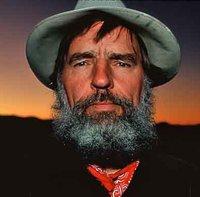
Edward Abbey
Edward Abbey

Edward Abbey was an American author known for his naturalist works and advocacy for environmental protection. His writings often take the desolate wilderness of the American Southwest as a backdrop, profoundly revealing the relationship between humans and nature. Abbey's writing style is unique, filled with humor and satire, and has had a profound impact on later generations. more

You May Also Like

“What happened? It took Gibbon six volumes to describe the decline and fall of the Roman Empire, so I shan’t embark on that. But thinking about this almost incredible episode does tell one something about the nature of civilisation. It shows that however complex and solid it seems, it is actually quite fragile. It can be destroyed. What are its enemies? Well, first of all fear — fear of war, fear of invasion, fear of plague and famine, that make it simply not worthwhile constructing things, or planting trees or even planning next year’s crops. And fear of the supernatural, which means that you daren’t question anything or change anything. The late antique world was full of meaningless rituals, mystery religions, that destroyed self-confidence. And then exhaustion, the feeling of hopelessness which can overtake people even with a high degree of material prosperity. 

There is a poem by the modern Greek poet, Cavafy, in which he imagines the people of an antique town like Alexandria waiting every day for the barbarians to come and sack the city. Finally the barbarians move off somewhere else and the city is saved; but the people are disappointed — it would have been better than nothing. Of course, civilisation requires a modicum of material prosperity—

What civilization needs:

confidence in the society in which one lives, belief in its philosophy, belief in its laws, and confidence in one’s own mental powers. The way in which the stones of the Pont du Gard are laid is not only a triumph of technical skill, but shows a vigorous belief in law and discipline. Vigour, energy, vitality: all the civilisations—or civilising epochs—have had a weight of energy behind them. People sometimes think that civilisation consists in fine sensibilities and good conversations and all that. These can be among the agreeable results of civilisation, but they are not what make a civilisation, and a society can have these amenities and yet be dead and rigid.”