“Nothing, nothing mattered, and I knew why. So did he. Throughout the whole absurd life I'd lived, a dark wind had been rising toward me from somewhere deep in my future, across years that were still to come, and as it passed, this wind leveled whatever was offered to me at the time, in years no more real than the ones I was living. What did other people's deaths or a mother's love matter to me; what did his God or the lives people choose or the fate they think they elect matter to me when we're all elected by the same fate, me and billions of privileged people like him who also called themselves my brothers? Couldn't he see, couldn't he see that? Everybody was privileged. There were only privileged people. The others would all be condemned one day. And he would be condemned, too.”
Quote by Albert Camus
Book:The Stranger
Work
The Stranger
Albert Camus' The Stranger is a profound exploration of alienation and the absurdity of human existence. The story follows Meursault, a man who leads a seemingly ordinary life until he commits a seemingly senseless murder. The novel challenges readers to confront the meaning of life and the nature of morality. more
Author
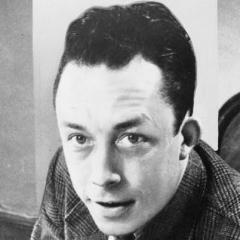
Albert Camus
Albert Camus was a French author and philosopher, born on November 7, 1913, and died on January 4, 1960. Known for his unique existentialist philosophy and profound insights into human suffering, Camus' works include 'The Stranger', 'The Plague', and 'The Myth of Sisyphus', which have had a profound impact on 20th-century literature. more
You May Also Like
Source: Rooftop Soliloquy
Source: Gossamer Axe
Source: Principles: Life and Work
Source: Dead Toad Scrolls
Source: The Master Algorithm: How the Quest for the Ultimate Learning Machine Will Remake Our World
“Reputation is so important that one should not ruin it on social media.”
Source: High-Tech Heretic: Reflections of a Computer Contrarian
Source: High-Tech Heretic: Reflections of a Computer Contrarian