“An Odonian’s goal is positive, not negative. Suffering is dysfunctional, except as a bodily warning against danger. Psychologically and socially it’s merely destructive.”
Quote by Ursula K. Le Guin
Work
The Dispossessed: An Ambiguous Utopia
Browse quotes and source details for this work. more
Author
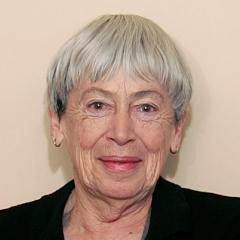
Ursula K. Le Guin
Ursula K. Le Guin, born on October 21, 1929, is an esteemed American author of science fiction and fantasy. Known for her profound philosophical insights, rich imagination, and unique narrative style, Le Guin's works have won numerous literary awards and have had a significant impact on science fiction and fantasy literature. Her most famous works include the 'Earthsea' series and 'The Left Hand of Darkness', which have won her awards such as the Nebula and Hugo Awards, and she has also received the National Book Award for lifetime achievement for her contributions to literature. more
You May Also Like
“It is not those who can inflict the most but those who can endure the most who will conquer.”
Source: Principles of Freedom
Source: Nonviolent Soldier of Islam: Badshah Khan: A Man to Match His Mountains
Source: North and South
Source: The Living Gospel
Source: Man's Search for Meaning
Source: The Engaged Spiritual Life: A Buddhist Approach to Transforming Ourselves and the World
Source: Book of Longing
Source: Voices of Cancer: What We Really Want, What We Really Need