Quotessence
Home / Quotes / Quote by Primo Levi

Quote by Primo Levi

Work

The Drowned and the Saved

This book delves into the narratives of individuals who have endured catastrophic events, highlighting their experiences and the lessons learned from their perseverance. more

Author
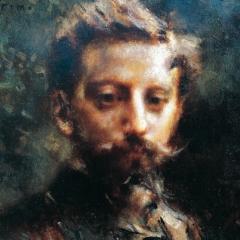
Primo Levi
Primo Levi

Chemist and Italian Jewish author, known for his dual identity as a survivor of Nazi concentration camps and a chemist. His works profoundly reflect the moral dilemmas and psychological states of humans in extreme environments. more

You May Also Like

“The world is full of disappointment," I said. "Yes," she said, "I heard him say that. And every creature is simply trying to get what it wants, and to make their way through a difficult world. Do you believe that?" "No," I said. "There's more than that." "Like what?" "Like good books," I said, "and good people. And good librarians, who are almost both at once.”

“Despair, grief, and depression are not things that people can simply stop, any more than someone can will an end to a toothache or the pain of withdrawal. Acutely suicidal people have lost all sense of having power over their pain. To tell them to magically acquire will power is like asking a crippled person to race against a champion. It does not help them do the thing in question; it just makes them feel worse.”

“Momentarily drained of lust, he stares at the remembered contortions to which it has driven him. His life seems a sequence of grotesque poses assumed to no purpose, a magic dance empty of belief. There is no God; Janice can die: the two thoughts come at once, in one slow wave. He feels underwater, caught in chains of transparent slime, ghosts of the urgent ejaculations he has spat into the mild bodies of women. His fingers on his knees pick at persistent threads.”

“Have You Prayed” When the wind turns and asks, in my father’s voice, Have you prayed? I know three things. One: I’m never finished answering to the dead. Two: A man is four winds and three fires. And the four winds are his father’s voice, his mother’s voice . . . Or maybe he’s seven winds and ten fires. And the fires are seeing, hearing, touching, dreaming, thinking . . . Or is he the breath of God? When the wind turns traveler and asks, in my father’s voice, Have you prayed? I remember three things. One: A father’s love is milk and sugar, two-thirds worry, two-thirds grief, and what’s left over is trimmed and leavened to make the bread the dead and the living share. And patience? That’s to endure the terrible leavening and kneading. And wisdom? That’s my father’s face in sleep. When the wind asks, Have you prayed? I know it’s only me reminding myself a flower is one station between earth’s wish and earth’s rapture, and blood was fire, salt, and breath long before it quickened any wand or branch, any limb that woke speaking. It’s just me in the gowns of the wind, or my father through me, asking, Have you found your refuge yet? asking, Are you happy? Strange. A troubled father. A happy son. The wind with a voice. And me talking to no one.”