“He made a good salary but he did not flaunt it. He’d been raised in Chicago proper by a Lithuanian Jewish mother who had grown up in poverty, telling stories, often, of extending a chicken to its fullest capacity, so as soon as a restaurant served his dish, he would promptly cut it in half and ask for a to-go container. Portions are too big anyway, he’d grumble, patting his waistline. He’d only give away his food if the corners were cleanly cut, as he believed a homeless person would just feel worse eating food with ragged bitemarks at the edges – as if, he said, they are dogs, or bacteria. Dignity, he said, lifting his half-lasagna into its box, is no detail.”
Quote by Aimee Bender
Work
The Particular Sadness of Lemon Cake
This book is a psychological drama that delves into the complex relationship between a young girl and her family, as she grapples with the extraordinary ability to taste the emotions of others through the food she prepares. The story is set in the 1970s and explores themes of identity, family dynamics, and the impact of one's unique abilities on personal relationships. more
Author
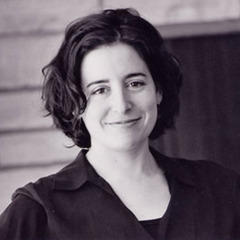
Aimee Bender
Aimee Bender is an American novelist celebrated for her imaginative and unique narrative style. Born on June 28, 1969, she has made a notable impact in the literary world with her thought-provoking themes and distinctive storytelling techniques. more
You May Also Like
Source: If This Is a Man / The Truce
Source: Inner Experience
Source: يوميات الحزن العادي
Source: The Underground Railroad
Source: Becoming
“She had the experience to suffer with discretion.”
Source: Call for the Dead
“We will not run," Paul said. "We'll move with dignity. We'll do what must be done.”
Source: Dune Messiah
“The Master said, “The gentleman does not serve as a vessel.” (Analects 2.12)”