“Jim Crow and mass incarceration have similar political origins...both caste systems were born in part, due to desire among white elites to exploit the resentments, vulnerabilities and racial biases of poor and working-class whites for political or economic gain. Segregation laws were proposed as part of a deliberate and strategic effort to deflect anger and hostility that have been brewing against the white elite away from them and toward African Americans. The birth of mass incarceration can be traced to a similar political dynamic. Conservatives in the 1960s and 1970s sought to appeal to the racial biases and economic vulnerabilities of poor and working-class whites through racially coded rhetoric on crime and welfare. In both cases, the racial opportunists offered few, if any, economic reforms to address the legitimate economic anxieties of poor and working-class whites, proposing instead a crackdown on the racially defined "others." In the early years of Jim Crow, conservative white elites competed with each other by passing ever more stringent and oppressive Jim Crow legislation. A century later, politicians in the early years of the drug war competed with each other to prove who could be tougher on crime by passing ever harsher drug laws- a thinly veiled effort to appeal to poor and working-class whites who, once again, proved they were willing to forego economic and structural reform in exchange for an apparent effort to put blacks back "in their place.”
Quote by Michelle Alexander
Work
The New Jim Crow: Mass Incarceration in the Age of Colorblindness
This book critically examines the impact of mass incarceration on African Americans, arguing that it constitutes a new form of racial segregation and discrimination in the United States. more
Author
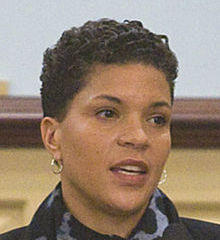
Michelle Alexander
Michelle Alexander is a distinguished professor of law at the University of California, Berkeley. Born on October 7, 1967, she is recognized for her expertise in criminal justice and civil rights. Alexander has authored numerous articles and books on the subject of mass incarceration in the United States and its effects on African American communities. more
You May Also Like
Source: The Light in the Heart
“In the 1920s, Jim Crow Mississippi was, in all facets of society, a kleptocracy.”
Source: Un conto ancora aperto
Source: Charlie Simpson's Apocalypse
Source: The New Jim Crow: Mass Incarceration in the Age of Colorblindness
Source: The New Jim Crow: Mass Incarceration in the Age of Colorblindness
Source: One Person, No Vote: How Voter Suppression Is Destroying Our Democracy