“And your doubts can become a good quality if you school them. They must grow to be knowledgeable, they must learn to be critical. As soon as they begin to spoil something for you ask them why a thing is ugly, demand hard evidence, test them, and you will perhaps find them at a loss and short of an answer, or perhaps mutinous. But do not give in, request arguments, and act with this kind of attentiveness and consistency every single time, and the day will come when instead of being demolishers they will be among your best workers--perhaps the canniest of all those at work on the building of your life.”
Quote by Rainer Maria Rilke
Work
Letters to a Young Poet
This book is a compilation of personal correspondence between a famous poet and a young individual seeking advice on poetry and the creative process. The letters delve into the complexities of artistic expression, the challenges of living as a poet, and the importance of self-discovery and authenticity in one's work. more
Author
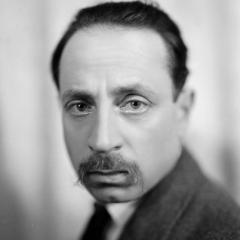
Rainer Maria Rilke
German poet known for his profound poetry and epistolary works. Rainer Maria Rilke's poetry style is unique, often exploring themes such as loneliness, love, and religious faith. more
You May Also Like
Source: Just As I Thought
“You’re apologizing? Seriously, what happened to you? Have you been taken over by a pod person?”
Source: Night Reigns
Source: Eat, Pray, Love
“You learn something new every day, if you just stop to pay attention.”
Source: Exile's Return
“What we ought to know we never be taught in the classroom.”
“Learn as if you might live forever and you'll live as if you might die tomorrow.”
Source: On Writing
Source: Wild Ideas: Creativity from the Inside Out
Source: Feminisms in Education: An Introduction