“In April war was declared with Germany. Wilson and his cabinet—a cabinet that in its lack of distinction was strangely reminiscent of the twelve apostles—let loose the carefully starved dogs of war, and the press began to whoop hysterically against the sinister morals, sinister philosophy, and sinister music produced by the Teutonic temperament. Those who fancied themselves particularly broad-minded made the exquisite distinction that it was only the German Government which aroused them to hysteria; the rest were worked up to a condition of retching indecency. Any song which contained the word "mother" and the word "kaiser" was assured of a tremendous success. At last every one had something to talk about—and almost every one fully enjoyed it, as though they had been cast for parts in a sombre and romantic play.”
Quote by F. Scott Fitzgerald
Work
F. Scott Fitzgerald's 'The Beautiful and Damned' is a narrative about the unraveling of a marriage between Anthony Patch and his wife, Gloria. Set in the lavish and decadent world of the 1920s, the story delves into themes of wealth, excess, and the disintegration of the American Dream. The novel is known for its vivid portrayal of the era's social and moral decay, and its complex characters who are both admired and criticized for their lifestyles. more
Author
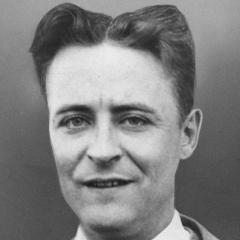
F. Scott Fitzgerald was an American author of novels and short stories, renowned for his works that encapsulate the Jazz Age and the Roaring Twenties. His most celebrated novel, 'The Great Gatsby,' is a critical and commercial success, reflecting the themes of the American Dream and the decline of the American upper class. more
You May Also Like
“أى وطن ذلك الذى يزيد فيه عدد الجلادين والمخبرين عن عدد المُبدعين والمفكرين”
“Poezję pisze się łzami, powieść krwią, a historię rozczarowaniem.”
“Njen miris, čitavo njeno biće bili su u znaku leta i ruža.”