Quotessence
Home / Quotes / Quote by NoViolet Bulawayo

Quote by NoViolet Bulawayo

Work

We Need New Names

Browse quotes and source details for this work. more
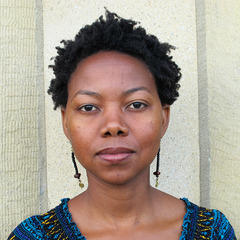
Author

NoViolet Bulawayo
NoViolet Bulawayo

NoViolet Bulawayo, born on December 10, 1981, is a prominent author from Zimbabwe. Her works are set against the backdrop of Zimbabwe's social reality, profoundly addressing issues such as poverty, racial discrimination, and the plight of children. more

You May Also Like

“This season is a leveler. The 'shege' is right in your breast pocket. I know families in this country (Nigeria) who have no access to justice, simply because they cannot afford the bills. This is a grim form of inequality we have not had enough conversation about. The scarcity of money is threatening both law and society. The affluent wax stronger, but the rest of us…Jack London calls The People of the Abyss.”

“We cannot separate forgiveness and social inequality in trauma recovery as forgiveness, trauma, and recovery always occur in a social and political context – one that is fraught with inequality.”

“History is full of incremental improvements and revolutionary convulsions - often these are followed by reactionary backlashes in which rights are revoked, inequalities re-established.”

“James Madison framed the constitutional order so that power would be in the hands of the Senate, which represents “the wealth of the nation,” the “more capable sett of men,” who have respect for property owners and their rights and understand the need for government “to protect the minority of the opulent against the majority”—though it was not long before he came to deplore “the daring depravity of the times,” as the “stockjobbers will become the pretorian band of the government—at once its tools and its tyrant; bribed by its largesses, and overawing it by clamors and combinations” (1792).”

“A more general conclusion is that markets may more or less work for a while, but unless sharply constrained they almost necessarily lead to disaster. And constraints are unlikely when major media are often adjuncts of business, the government is largely in its pocket, and the general public is marginalized in one way or another, and susceptible to manipulation.”