“The street that ran down from the poorhouse into the metropolis was chock-full of destinies. In that street there were many thousands of heads, which appeared in the window frames every morning, young heads and old ones, blond ones and brunette ones; and in each of these heads something was happening... and so nobody was very much surprised when every now and then one of these people went and emptied his bucket of water on to the head of one of the others, threw down his pickaxe, pocketed his pay packet and vanished; when one fine day he resurfaced with his body sun-brazened and battered beyond belief, with wildly unkempt hair and a mind sorely unhinged by the world, and with thousands and thousands of worthy thoughts that he could never give vent to, because he was despised—and he walked, onwards and onwards—and finally jumped into some sewer somewhere amid the gray rows of houses, so that nobody could ever discover a trace of him again, apart perhaps from a waterlogged shoe, a shirt, some paper on which he had written what he was called, what was depressing him, and what, in his heart of hearts, he actually was…”
Quote by Thomas Bernhard
Author
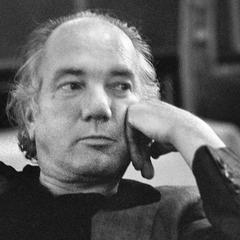
Thomas Bernhard
Thomas Bernhard, born on February 9, 1931 and died on February 12, 1989, was an influential Austrian novelist. His works are renowned for their unique style and profound criticism of social reality. more
You May Also Like
Source: Anne Perry and the Murder of the Century
Source: Sexual Anorexia: Overcoming Sexual Self-Hatred
“Your worth is not determined by the opinions of others. You are priceless because of who you are.”
Source: The Other 99 T.Y.M.E.S: Train Your Mind to Enjoy Serenity
“Darling, when you walked into my life, I knew you’d be making it yours.”
Source: The Corpse Walker: Real Life Stories, China from the Bottom Up
Source: No Boundary: Eastern and Western Approaches to Personal Growth
Source: The Fourth Turning: Imagining the Evolution of an Integral Buddhism
“Trying to eliminate worldly temptations only makes our spiritual growth limited.”
Source: Master of Stupidity
Source: The River We Remember