Quotessence
Home / Quotes / Quote by Richard Bach

Quote by Richard Bach

Work

Illusions: The Adventures of a Reluctant Messiah

This book is a fictional narrative that delves into the journey of a character who unexpectedly finds himself at the center of a spiritual movement. The story follows his transformation as he navigates the complexities of faith, power, and personal growth. more

Author
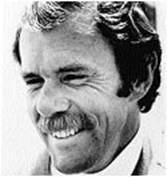
Richard Bach
Richard Bach

Richard Bach is an American writer known for his profound philosophical thoughts and allegorical stories. His work 'Illusions: The Adventures of a Reluctant Messiah' has become a beloved classic, inspiring many to seek self-realization and the meaning of life. more

You May Also Like

“He did not like the thought that he was to blame, but the only alternative he could think of to explain their behavior was much worse: that all the love and attention his parents had given him before had somehow been the result of George’s presence, and with George gone there was nothing for him … and all of that had happened at random, for no reason at all. And if you put your ear to that door, you could hear the winds of madness blowing outside.”

“Most of us will find love; we shall also encounter opponents, rivals, and outright enemies, an evil nemesis worthy of unqualified hatred. Occasionally we act as the antagonist on our own casting card. Our own internal voice(s) can torture us with feelings of insanity. For example, before filling her overcoat pockets with stones and drowning herself in a river, English writer Virginia Woolf (1882–1941) left a final note to her husband disclosing, ‘I feel certain that I am going mad again.’ Her last note also stated that she feared that she would not recover from her illness, she could not endure another depressive episode, and she was hearing voices.”

“Povestea ei îmi amintește ce scria un psiholog american, Nathaniel Branden, despre părinții lui în cartea „Anii mei cu Ayn Rand". El spunea că în copilărie și cu părinții lui și cu ceilalți adulți pe care i-a întâlnit avea sentimentul, bineînțeles fără să îl poată pune în aceste cuvinte, că era născut într-un azil de lunatici. Fiecare părea în afara oricărui control de sine. Nimeni nu știa cu adevărat de ce face un anumit lucru. El a avut un sentiment copleșitor al iraționalității umane. Adulții spuneau un lucru și făceau un altul. Clamau un anumit sentiment, dar în mod evident simțeau cu totul altceva. Își schimbau regulile și așteptările la fiecare câteva ore. Îi mințeau pe copii și se mințeau unii pe alții tot timpul. Erau generoși și calzi într-o zi și niște nenorociți în ziua următoare. Era, scrie Branden, ca și cum erau posedați de niște demoni. Și toți păreau nefericiți. Iar el nu putea înțelege de ce. Își repeta că nu trebuie să fie speriat și că trebuie să învețe să înțeleagă toate aceste lucruri și că își promitea ca niciodată să nu fie ca acești oameni. Asta, credea el, l-a salvat.”