“Occupation, curfew, settlements, closed military zone, administrative detention, siege, preventive strike, terrorist infrastructure, transfer. Their WAR destroys language. Speaks genocide with the words of a quiet technician. Occupation means that you cannot trust the OPEN SKY, or any open street near to the gates of snipers tower. It means that you cannot trust the future or have faith that the past will always be there. Occupation means you live out your live under military rule, and the constant threat of death, a quick death from a snipers bullet or a rocket attack from an M16. A crushing, suffocating death, a slow bleeding death in an ambulance stopped for hours at a checkpoint. A dark death, at a torture table in an Israeli prison: just a random arbitrary death. A cold calculated death: from a curable disease. A thousand small deaths while you watch your family dying around you. Occupation means that every day you die, and the world watches in silence. As if your death was nothing, as if you were a stone falling in the earth, water falling over water. And if you face all of this death and indifference and keep your humanity, and your love and your dignity and YOU refuse to surrender to their terror, then you know something of the courage that is Palestine.”
Quote by Suheir Hammad
Author
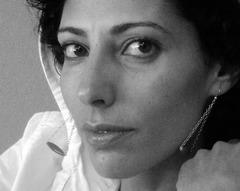
Suheir Hammad
Suheir Hammad is a celebrated Palestinian-American poet whose work delves into themes of identity, politics, and social justice. Born on October 25, 1973, she has made a substantial impact on the literary world with her compelling poetry. more
You May Also Like
Source: A Stone's Throw: A heartwarming story of a city girl and her rancher grandfather turning adversity into love and community
Source: Courage: Overcoming Fear and Igniting Self-Confidence
“What you call pride, I call courage.”
Source: The Serpent King
Source: Barry Lyndon
“Anywhere I go, I figure I belong.”
Source: The CodeBreaker Mindset: The Unwritten Rules for Success
Source: Grave Peril
Source: Dangerous Visions
Source: The Pythagorean