“Perhaps the most costly disassembly in which our culture has been engaged is the disaggregation of life itself into work, play, learning, and inspiration. Each of these aspects of life has been separated from the others by creating institutions for engaging in only one at a time, excluding the other three as much as possible. Businesses are designed for work, not play, learning, or inspiration. Country clubs, theaters, and sports stadiums are designed for play, not work, learning or inspiration. Schools are designed for learning, not work, play, or inspiration. Museums and churches are designed for inspiration, not work, play, or learning. However, one of the most important products of systems thinking is the realization that the effectiveness with which any of these four functions can be carried out depends on the extent to which they are carried out together, in an integrated way.”
Quote by Russell L. Ackoff
Work
Re-Creating the Corporation: A Design of Organizations for the 21st Century
Browse quotes and source details for this work. more
Author
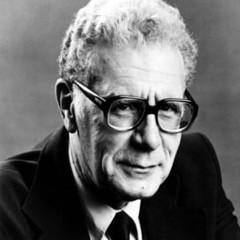
Russell L. Ackoff
Russell L. Ackoff was a prominent theorist and scholar in the fields of management science, systems science, and decision science. His work spanned multiple disciplines, including economics, psychology, sociology, and computer science. Ackoff is known for his contributions to organizational theory, systems thinking, and strategic planning. more
You May Also Like
“what makes him a professional is his consistency”
Source: Making It in the Art World: New Approaches to Galleries, Shows, and Raising Money
“There is no greater compliment than to be congratulated by one's peers.”
Source: The Hustler's Handbook
Source: The Prophet
Source: Belonging: The Science of Creating Connection and Bridging Divides - Library Edition
“The more you sweat in practice, the less you bleed in battle.”
Source: Sedated: How Modern Capitalism Created our Mental Health Crisis