Quotessence
Home / Quotes / Quote by Louise Glück

Quote by Louise Glück

Work

Faithful and Virtuous Night

Browse quotes and source details for this work. more

Author
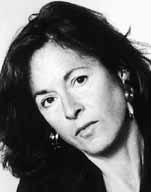
Louise Glück
Louise Glück

Louise Glück (born April 22, 1943) is an American poet and essayist, awarded the Nobel Prize in Literature in 2020. Born in New York City to Hungarian Jewish immigrants, she developed a passion for poetry early in life. She studied at Sarah Lawrence College and Columbia University. Glück's poetry is known for its precise, austere language and deep psychological insight, often exploring themes of family, love, death, and nature. Her major works include 'The Wild Iris' (1992), 'The Seven Ages' (2001), and 'Faithful and Virtuous Night' (2014). She has received numerous honors, including the Pulitzer Prize for Poetry and the National Book Award, and served as U.S. Poet Laureate from 2003 to 2004. Her works have been translated into many languages and have had a profound impact on contemporary poetry. more

You May Also Like

“We are God’s dissidents every time we respond in offices, in communities, in churches, in schools, and in any areas of abuse. We do this as a part of systems, many of them with good and godly aims. We must not go to sleep. We must watch. We must not assume that our family, church, community, country, or organization is always right just because the people in it use the right words. We must never agree to “protect” the name of God by covering ungodliness. In Ephesians 5:11, Paul warns us not to participate in the deeds of darkness but instead to expose them. Understand that you cannot singlehandedly change an entire system; you are not called to do so. Yet we are to speak truth about our systems. This is difficult to do and sometimes quite risky. Just ask Martin Luther King Jr. Ask Martin Luther himself. Ask those in the #MeToo movement. When systems change, it is often little by little and usually at great cost. When you feel overwhelmed, remember this: people are sacred, created in the image of God. Systems are not. They are only worth the people in them and the people they serve. And people are to be treated, whether one or many, the way Jesus Christ treated people.”

“Încercăm să fim maturi și să ne iubim unul pe altul și să înțelegem cum naiba se conectează cablurile USB, Căutăm ceva de care să ne ținem, ceva pentru care să luptăm și ceva la care să visăm. [...] Avem în comun aceste lucruri, deși majoritatea rămânem străini unul pentru celălalt. Nu știm ce ne facem unul altuia, cum ne influențăm viețile. Astăzi am trecut, poate, grăbiți unul pe lângă celălalt și niciunul n-a observat. [...] Apoi ne-am îndepărtat. Nu știu cine ești. Dar, când ajungi seara acasă, când ziua s-a încheiat și noaptea ne ia în stăpânire, trage adânc aer în piept! Căci am făcut față încă unei zile. Iar mâine vine alta.”

“Niente ferisce, avvelena, ammala, quanto la delusione. Perché la delusione è un dolore che deriva sempre da una speranza svanita, una sconfitta che nasce sempre da una fiducia tradita cioè dal voltafaccia di qualcuno o qualcosa in cui credevamo. E a subirla ti senti ingannato, beffato, umiliato. La vittima d’una ingiustizia che non t’aspettavi, d’un fallimento che non meritavi. Ti senti anche offeso, ridicolo, sicché a volte cerchi la vendetta. Scelta che può dare un po’ di sollievo, ammettiamolo, ma che di rado s’accompagna alla gioia e che spesso costa più del perdono.”