“Cuando un joven que se declaraba incel (un «célibe involuntario»), después de que una chica lo rechazara y de llevar «más de dos años» sin tener relaciones sexuales, mató a treinta y dos personas en Canadá (porque que no conseguía «hacer» que ninguna mujer se acostara con él, pobrecillo), les pregunté a las mujeres de Twitter qué hacían ellas cuando llevaban más de dos años sin tener relaciones sexuales. «Hacía calceta», «Leía poesía», «Aprendí capoeira y me apunté a clases de baile», «Me compré todos los libros de Alfred Wainwright y me aficioné a hacer senderismo por el Distrito de los Lagos», «Adopté un gato», «Escribí un libro», «Aprendí cerámica», «Aprendí a cocinar», «Me masturbaba». Hay cientos de miles de mujeres faltas de afecto y rechazadas sexualmente, y ni una sola ha protagonizado una matanza en un colegio, una discoteca ni un centro comercial. Ninguna mujer ha matado a un montón de gente porque se sintiera rechazada por la sociedad, pese a que me atrevería a afirmar que las mujeres sufren desengaños amorosos como mínimo con la misma frecuencia que los hombres.”
Quote by Caitlin Moran
Work
More Than a Woman: A Brutally Honest and Hilarious Feminist Memoir on Parenting, Marriage, and Middle-Age
Browse quotes and source details for this work. more
Author
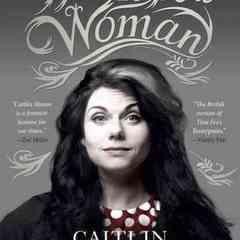
Caitlin Moran
Caitlin Moran is a British columnist, journalist, and television personality known for her humorous and candid writing style. She focuses primarily on women, gender, and pop culture. Born on April 5, 1975, Moran's works include 'How to Be a Woman' and 'Bad Feminist', which have both received widespread attention and acclaim. more
You May Also Like
“Money may always threaten health. Too much money corrupts it.”
Source: Limits to Medicine: Medical Nemesis: The Expropriation of Health
Source: Simple Reminders: Inspiration for Living Your Best Life
Source: Pieter Bruegel the Elder: Prints and Drawings
“Changing your perspective will change your world.”
Source: The Path to a Meaningful Life
“Heaven honors movement, not mood. Say yes even while shaking.”
Source: Cool Memories IV, 1995-2000