“They don't have the time to take on animals with dietary restrictions and missing legs." "Do you think I don't know that? That's precisely why they're all here with me. No one else would take them. Angus, for example." She moved toward the Highland steer. "Some foolish merchant traveled to Scotland on holiday and decided to bring his wife a pet calf from the Highlands. Never stopped to think about the fact that he would grow." "Surely people aren't that stupid." "Oh, it happens all the time. But usually they make that mistake with pups or ponies. Not cattle." She shook her head. "They dehorned him in the worst, most painful way. When he came to me, the poor dear's wounds were infected. Infested, too. He could have perished from the fly-strike alone. That man was stupid, indeed. The only thing he got right was his choice of calf. Angus is exceedingly adorable." Adorable? Gabe eyed the beast. The animal stood as tall as Gabe's shoulder, and it smelled... the way cattle smell. Shaggy red fur covered its eyes like a blindfold, and its black, spongy nose glistened.”
Quote by Tessa Dare
Book:The Wallflower Wager
Work
The Wallflower Wager
Browse quotes and source details for this work. more
Author
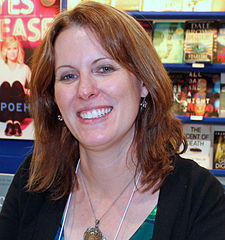
Tessa Dare
Tessa Dare is a British novelist known for her romance novels. Her works are typically set in historical settings and combine humor with emotional depth, making them popular among readers. more
You May Also Like
Source: This Land: How Cowboys, Capitalism, and Corruption are Ruining the American West
Source: This Land: How Cowboys, Capitalism, and Corruption are Ruining the American West
Source: This Land: How Cowboys, Capitalism, and Corruption are Ruining the American West
Source: Enslaved by Ducks
Source: Not My First Rodeo: Lessons from the Heartland
Source: The Scapegoat
Source: Zacherley's Vulture Stew
Source: 101 Things You Didn't Know About Irish History: The People, Places, Culture, and Tradition of the Emerald Isle
“He who could not find plow-oxen owns cattle.”
Source: Ancient Egyptian Literature, Volume I: The Old and Middle Kingdoms
“Grass-fed cattle create more greenhouse gases (50–60% more methane) than grain-fed cattle.”
Source: Eating Earth: Environmental Ethics and Dietary Choice