“What are you so angry about?" my mother had asked me the last time I had gone home to visit. Why aren't you more angry, I had wanted to ask her. But I couldn't talk to my mother that way. She understood that I did not want to live her life, to work as a waitress, until my toes curled in and my feet hurt all the time, to marry a man who would beat my children and treat me as if I had no right to object to object to anything he chose to do. She didn't want that life for me either. She wanted me happy and successful, to live unafraid among people who loved me, and to do things she had never been able to do and tell her all about them. So I told her, about the shelter, the magazine, readings and discussion groups. I told her about trying to write stories, though I hesitated to send send her all that I wrote. And there were far too many times when I would sit down to write my mama and stare at the paper unable to puzzle out how to explain how urgent and unimportant it was to change how women's lives were shaped. Not only that we should be paid equal money for equally difficult work, but that we should genuinely begin to think about what word we might choose to undertake, how we might live our daily lives. Why should I have to marry at all? Or explain myself if I chose to love a woman? Why could I not spend my hours writing stories instead of raising children or keeping house or working some deadly boring job just to cover the rent of an apartments where I was not safe anyway.”
Quote by Dorothy Allison
Book:The Women's Room
Work
The Women's Room
This novel delves into the personal and societal challenges faced by women during the 1960s, offering a nuanced portrayal of their experiences and aspirations. more
Author
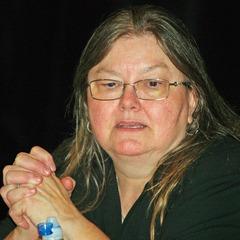
Dorothy Allison
Dorothy Allison is an American writer known for her incisive social commentary and feminist literary works. Her writing often focuses on marginalized and overlooked groups, particularly women and the LGBTQ+ community. Born on April 11, 1949, Allison's writing career is marked by a deep exploration of issues related to gender, class, and race. more
You May Also Like
Source: You Don't Have to Like Me: Essays on Growing Up, Speaking Out, and Finding Feminism
Source: Dear Ijeawele, or a Feminist Manifesto in Fifteen Suggestions
Source: My Life on the Road
Source: Eat, Pray, Love
Source: Herland
Source: Do Muslim Women Need Saving?
Source: The Nasty Women Project: Voices from the Resistance
Source: The Female Man
“Näyttäkää mulle tyytyväinen feministi niin mä näytän teille Jari Sillanpään tyttöystävän.”
Source: Tuomiopäivä