“Voi dovreste insegnarmi un poco di quanto sapete” disse Dantès, “non fosse altro che per non annoiarvi con me. Mi sembra che dobbiate preferire la solitudine ad un compagno senza educazione e senza cultura come sono io. Se acconsentite, vi prometto di non parlarvi più di fuga.” Faria sorrise. “Ahimè, figlio mio” disse, “la scienza umana è molto limitata, e quando vi avessi insegnato le matematiche, la fisica, la storia e le tre o quattro lingue vive che io parlo, voi sapreste quello che so io. Tutta questa scienza potrei farla passare dal mio spirito nel vostro in due anni.” “Due anni!” disse Dantès. “Credete che io possa imparare tutte queste cose in due anni?” “Nella loro applicazione no; nei loro principi sì. L’imparare non è lo stesso che sapere: vi sono gli eruditi e gli scienziati, la memoria forma i primi, la filosofia i secondi.” “Ma la filosofia non si può imparare?” “La filosofia non s’impara, la filosofia è la riunione delle scienze imparate nel genio che le applica.” “Vediamo” disse Dantès. “Che cosa m’insegnerete per primo? Ho smania di cominciare, ho sete di scienza.” “Tutto!” disse Faria.”
Quote by Alexandre Dumas
Work
The Count of Monte Cristo
This classic novel follows Edmond Dantès, a young sailor unjustly imprisoned for a crime he did not commit. After his release, he discovers a hidden treasure on the island of Monte Cristo and uses his newfound wealth to exact revenge on those who betrayed him. more
Author
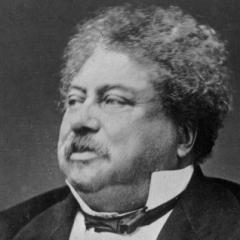
Alexandre Dumas
Alexandre Dumas, a renowned French writer, was born on July 24, 1802, and died on December 5, 1870. He is famous for his historical and adventure novels, with notable works including 'The Three Musketeers' and 'The Count of Monte Cristo'. more
You May Also Like
“La bellezza della scienza sta invece nell'accorgersi della grazia naturale.”
Source: Altre Terre: Viaggio alla scoperta di pianeti extrasolari
Source: Big World, Small Planet: Abundance within Planetary Boundaries
Source: The Order of Time
Source: Baking Cakes in Kigali
Source: 99 Baking and Decorating Tips: Helpful hints for you to try.
Source: American Prison: A Reporter's Undercover Journey into the Business of Punishment
Source: American Prison: A Reporter's Undercover Journey into the Business of Punishment
Source: Prison Food in America