“It is a hot summer day in Tennessee in the midst of the sixth decade of this century. The girl has climbed the fence to get to the swimming hole she has visited so many summers of her life in the time before this part of the land was enclosed. She stands now at the edge of it. Her body is sticky with heat. The surface of the water moves slightly. Sunlight shimmers and dances in a green reflection that seems as she stares at it to pull her in even before her skin is wet with it. Drops of water on the infant’s head. All the body immersed for baptism. Do these images come to her as she sinks into the coolness? The washing of hands before Sunday’s midday meal. All our sins washed away. Water was once the element for purification. But at the bottom of this pool, There is no telling what is there now. This is what the girl’s father will say to her finally: corroded cans of chemical waste, some radioactive substances. That was why they put the fence there. She is not thinking of that now. The words have not yet been said, and so for her no trouble exists here. The water holds up her body. She is weightless in this fulsome element, the waves her body makes embracing her with their own benediction. Beneath her in the shadowy green, she feels the depth of the pond. In this coolness as the heat mercifully abates, her mind is set free, to dream as the water dreams.”
Quote by Susan Griffin
Work
This book delves into the personal narratives of individuals touched by war, offering a nuanced and empathetic portrayal of the human cost of conflict. It examines the emotional, psychological, and social impacts of war on soldiers, civilians, and their communities, providing a rich tapestry of stories that shed light on the private lives of those in the midst of war. more
Author
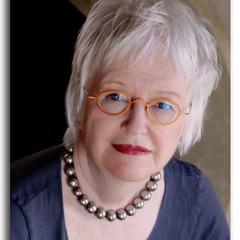
Susan Griffin is an influential American author, born on January 26, 1943. Her works cover a range of themes including feminism, history, literature, and ethics. Griffin is known for her profound critical thinking and sharp insights into social issues. more
You May Also Like
“The greatest secret of love is that the more vulnerable we become the safer we will be.”
“For a moment, I felt like myself again. Not the new me, not the old me, just the real me.”
“The real me isn’t someone you see but someone you know.”
“I don't defend pain, But I do respect its ability to make us stronger and wiser after it stings.”