“In the twentieth century the women who wanted to be on their own were some of the best, the honest ones, those who instinctively rejected the trash. But here came a tragical dilemma. If they accepted Business and served it, they served the very thing from which they fled, and at best became imitation men. If they rejected Business and lived on allowances or incomes, they were in the anomalous position of hunting with the industrial hounds and running with the agricultural hare. An instinctive sense of this made many of them turn "artist." And so Europe was cluttered up with incompetent women "artists" -- not that a woman is incapable of being an artist, but because the assumed role provided an escape. Either situation was impossible, and the solution is not yet found.”
Quote by Richard Aldington
Work
Browse quotes and source details for this work. more
Author
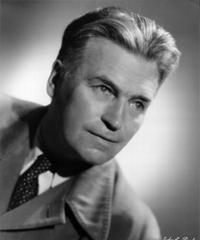
Richard Aldington (July 8, 1892 – July 27, 1962) was a British poet, novelist, critic, and biographer, best known as a key figure in the Imagist poetry movement. Born in Hampshire, he studied classics and later co-founded Imagism with Ezra Pound and H.D. His works, characterized by concise language and modernist themes, include the poetry collection 'Images' and the war novel 'Death of a Hero'. Aldington's experiences in World War I deeply influenced his writing, which often critiqued the impact of war on society. He also wrote biographies of T.E. Lawrence and D.H. Lawrence. Though sometimes overshadowed by his contemporaries, Aldington's contributions to modern poetry and war literature remain significant. more
You May Also Like
“But if I'm useless only because I haven't been properly educated, is that my fault?”
“Our independence shall be our total dependence on the Divine Being, God.”
“Be that as it may, I think someday you'll meet a man worth giving up your independence for.”