Quotessence
Home / Quotes / Quote by Peter Matthiessen

Quote by Peter Matthiessen

“To practice Zen means to realize one's existence in the beauty and clarity of this present moment, rather than letting life unravel in useless daydreaming of the past and future. To "rest in the present" is a state of magical simplicity.”

Quote by Peter Matthiessen

Work

Zen Meditation in Plain English

This book offers a straightforward approach to understanding and practicing Zen meditation, catering to those who are new to the discipline or seeking a clearer understanding of its principles. more

Author
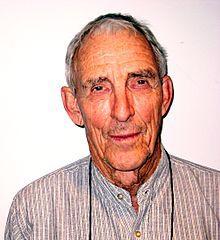
Peter Matthiessen
Peter Matthiessen

Peter Matthiessen was an American novelist and naturalist, renowned for his works that seamlessly integrate fiction and non-fiction. His writing frequently delved into environmental themes and the human connection with nature. Born on May 22, 1927, he passed away on April 5, 2014. more

You May Also Like

“No. Silence is something. This is nothing. Why couldn’t I hear it before? I think it has been there always. From the beginning of time.’ He put out his hand and stubbed it on my arm, stared at it. ‘At the end of the world, at the beginning of the world; under the sea and over the sky; at the root and crown of the universe: nothing. At all. That’s what I heard. What I hear.’ He leaned forward. ‘Do you understand?”

“The earth provides not just a little, but all. The very body and mind with which I tend the earth are themselves of the earth. I am but earth tending earth. Were the earth not to roll this garden toward the sun today, were the clouds not to gather above the sea, the waters not to flow, the soil not to brim with its billions of microorganisms, were all or any part of this to fail, I would fail as well, my body numbed to a fixed stillness, my slightest thought cancelled. This truth is so obvious that it is a wonder we can forget it so often and so easily. The fact of it defines who we are. To forget this is to forget who we are, a species suffering from amnesia that bewildered seeks its own name.”

“If we don’t insist on defining impermanence as unsatisfactory, then it’s natural to celebrate. Just a moments pause to consider the passing of the seasons is enough to convince anyone that not only is impermanence the source of all possible joy in this life but its the movement of life itself.”

“Whether you are CEO of a corporation or a garbage collector, whether you are an opera singer or a dishwasher, you are united because you can look inside and see yourself. You do not see people different from you, you start seeing that people are your true self appearing. If you cannot handle people right away, because many people are not living in that world, then try a poodle if you want to see what it looks like for the light to look back at you with open eyes.”

“Bergen zoals deze, en reizigers in de bergen, en hun lotgevallen treft men niet alleen aan in Zen-literatuur, maar in de exemplarische vertellingen van iedere grote religie. De allegorische voorstelling van een natuurlijke berg voor de geestelijke berg die tussen iedere ziel en zijn doel staat, werpt zich makkelijk en als vanzelfsprekend op. Zoals iedereen in het dal beneden ons, staan de meeste mensen hun hele leven voor de aanblik van de geestelijke bergen in hun leven waarin zij zich nooit begeven, tevreden als ze zijn met de verhalen van degenen die er geweest zijn, en op die manier vermijden ze de beproevingen. Sommige reizen in de bergen begeleid door ervaren gidsen die de beste en minst gevaarlijke wegen kennen die tot hun bestemming leiden. Weer anderen, meest onervaren en zonder vertrouwen, wagen het hun eigen weg te ontdekken. Slechts weinigen slagen daarin, maar af en toe halen enkelen het door louter wilskracht, geluk en genade. Zodra zij zijn gearriveerd beseffen zij beter dan alle anderen dat er niet één, of een vast aantal wegen bestaat. Er zijn zoveel wegen als er afzonderlijke zielen zijn.”