“Quero hoje dizer-te uma coisa, algo que já sei há bastante tempo, e que também tu já sabes, mas talvez ainda não o tenhas dito a ti mesmo. Dir-te-ei agora aquilo que sei a respeito de mim, de ti e do nosso destino. Tu, Harry, foste um artista e um pensador, uma pessoa repleta de alegria e fé, sempre no encalço do grandioso e do eterno, nunca satisfeito com o formoso e o pequeno. Porém, quanto mais a vida te fez despertar e te devolveu a ti mesmo, tanto maior se tornou a tua miséria, mais profundamente te viste mergulhado no sofrimento, na inquietação e no desespero, até ao pescoço, e tudo aquilo que outrora consideraste, amaste e veneraste como belo e sagrado, toda a fé que em tempos tiveste nos seres humanos e no nosso elevado destino foi incapaz de te ajudar, tornou-se inútil e estilhaçou-se. A tua fé deixou de conseguir ter ar para respirar. E a asfixia é uma dura forma de morrer. Não é assim, Harry? É esse o teu destino?”
Quote by Hermann Hesse
Book:Steppenwolf
Work
Steppenwolf
A complex narrative that delves into themes of identity, alienation, and the human condition more
Author
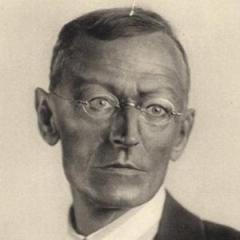
Hermann Hesse
Hermann Hesse was a German poet and novelist, born on July 2, 1877, and died on August 9, 1962. Known for his profound psychological descriptions and exploration of human nature, his works include classics such as 'Steppenwolf' and 'The Glass Bead Game'. more
You May Also Like
Source: Dead Toad Scrolls
“One is always greater than hundred because without one there is no hundred”
“Life consists on rules and regulations if you take wrong steps you have to pay its price.”
Source: The woman in white
Source: In Limbo
Source: Made in the U.S.A.