“The individual psychological stages in the lives of most people are: 1. To be hurt as a small child without anyone recognizing the situation as such 2. To fail to react to the resulting suffering with anger 3. To show gratitude for what are supposed to be good intentions 4. To forget everything 5. To discharge the stored-up anger onto others in adulthood or to direct it against oneself”
Quote by Alice Miller
Work
For Your Own Good: Hidden Cruelty in Child-Rearing and the Roots of Violence
This book delves into the potential consequences of certain child-rearing methods on the formation of violent behavior in adults, offering insights into the roots of aggression and its societal implications. more
Author
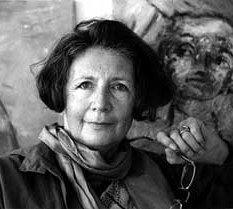
Alice Miller
Alice Miller, born on January 12, 1923, and died on April 12, 2010, was a renowned psychologist. Her research focused on child psychology and the psychology of abuse, delving deeply into the psychological impact of child abuse and neglect. more
You May Also Like
Source: A short history of decay
Source: Thus Spoke Zarathustra
“We rise up And we fall down Only to rise again”
Source: The Whisper Of Your Soul
“Suffering comes to us as an interrogator. It asks, “Who are you?”
Source: The Journey: Spiritual Growth in Galatians and Philippians
“Yes I know sorrow. Know it far too well. My life is a tunnel choked by the sweepings of dread.”
Source: Electra
Source: The FitzOsbornes in Exile
Source: The Age of Zeus
Source: Just Mercy
Source: Picture Perfect