“It's easy to forget when you're around." She stopped walking for a moment and I had to stop too, as she'd linked her arm in mine. "That's not right. I mean to say that when you're around, it's easy to forget." "Forget what?" "Everything," she said, and for a moment her voice wasn't quite as playful. "All the bad parts in my life. Who I am. It's nice to be able to take a vacation from myself every once in a while. You help with that. You're my safe harbor in an endless, stormy sea.”
Quote by Patrick Rothfuss
Author
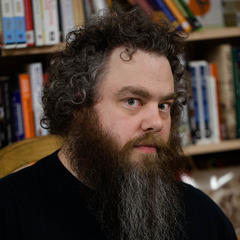
Patrick Rothfuss
Patrick Rothfuss, born on June 6, 1973, is a renowned American writer known for his works in the fantasy genre. His most famous series is 'The Name of the Wind,' which has gained widespread acclaim for its unique narrative style and profound philosophical insights. more
You May Also Like
“The poorer you are, the more your pride is worth.”
Source: The Wise Man's Fear
Source: The Name of the Wind
Source: The Wise Man's Fear
“My alar is like the ocean in storm.”
Source: The Wise Man's Fear
Source: The Unabridged Devil's Dictionary
“I am small and sensitive, but also fight me.”
Source: Fully Average
Source: Fully Average
“Nothing is easier. It’s just a different type of hard.”
Source: Fully Average