Quotessence
Home / Quotes / Quote by Alan Alda

Quote by Alan Alda

Work

Author

Alan Alda
Alan Alda

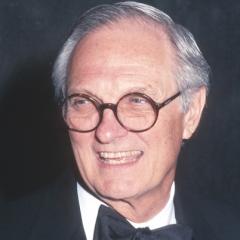
Alan Alda (born January 28, 1936) is an acclaimed American actor, director, screenwriter, and author. He is best known for his iconic role as Captain Hawkeye Pierce in the classic television series M*A*S*H, which earned him multiple Emmy and Golden Globe awards. With a career spanning decades, Alda has worked in film, television, and theater, and is also respected for his contributions to science communication. He co-founded the Center for Communication Science and has hosted the PBS series Scientific American Frontiers, advocating for better communication between scientists and the public. more

You May Also Like

“We need to get to a place where we discuss privilege by way of observation and acknowledgment rather than accusation. We need to be able to argue beyond the threat of privilege. We need to stop playing Privilege or Oppression Olympics because we’ll never get anywhere until we find more effective ways of talking through difference. We should be able to say, “This is my truth,” and have that truth stand without a hundred clamoring voices shouting, giving the impression that multiple truths cannot coexist. Because at some point, doesn’t privilege become beside the point?”

“Egykori kedvteléseim során olyan tapasztalatokra tettem szert, amelyek kárpótolnak valamelyest az elveszített gyönyörökért. Valaha azt hittem, s jó pillanataimban néha még ma is azt hiszem, hogy e tapasztalatok révén valamennyi ember létezésében osztozhatom, s hogy ez az együttérzés egyik legbiztosabb módja a halhatatlanságnak. Voltak percek életemben, amikor arra törekedtem, hogy az emberinél többet értsek meg, hogy az úszó embertől magáig a hullámig jussak el....”

“What sticks with me more than even that act of kindness was how my mother talked to me about it... So I asked my mother why we gave those families gifts at Christmas when we ourselves didn't have much. I remember then answering for myself: "It was because we felt sorry for them, right?" "We do not feel sorry for them," my mother said sternly, "We understand how they feel.”

“James felt as he always felt waiting to deliver this kind of news: like an emotional mugger, smashing into other people's calm lives, leaving agony and loss behind. The aloofness of his role built his guilt, his distance from their pain. That he could introduce himself to people to deliver news that ruined them, with no wounds of his own to show in solidarity. He was the professional, like a doctor, slicing through their existence then going back to his own clean life.”

“Humility helps us come to terms with what we cannot know. Patience takes the edge off when the hurt continues. Empathy is the gift that connects us with others. Forgiving ourselves for having such perfectly human reactions is harder than forgiving whatever caused them.”

“What do you most get out of the artwork that you love the most? And answering my own question, I would hesitate to say that it is communing with someone else’s pain and frailty; it is the empathetic tear of another voice that is like yours but with more experience; it is your own adoration of a complex idea simply and acutely expressed. But chiefly it is that the work is located in the real.”