Quotessence
Home / Quotes / Quote by Andrea Hirata

Quote by Andrea Hirata

“Orang-orang itu telah melupakan bahwa belajar tidaklah melulu untuk mengejar dan membuktikan sesuatu, namun belajar itu sendiri, adalah perayaan dan penghargaan pada diri sendiri. (hlm. 197)”

Quote by Andrea Hirata

Work

Padang Bulan

Browse quotes and source details for this work. more
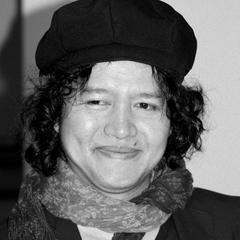
Author

Andrea Hirata
Andrea Hirata

Andrea Hirata is an Indonesian author who gained fame with his novel 'The Little Prince'. This story, which deals with themes of growth, friendship, and dreams, has resonated with readers worldwide. more

You May Also Like

“Everyone who has ever been to school knows that school is prison, but almost nobody beyond school age says it is. It's not polite. We all tiptoe around the truth because admitting it would make us seem cruel and would point a finger at well-intentioned people doing what they believe to be essential. . . . A prison, according to the common, general definition, is any place of involuntary confinement and restriction of liberty. In school, as in adult prisons, the inmates are told exactly what they must do and are punished for failure to comply. Actually, students in school must spend more time doing exactly what they are told than is true of adults in penal institutions. Another difference, of course, is that we put adults in prison because they have committed a crime, while we put children in school because of their age.”

“The most erroneous assumption is to the effect that the aim of public education is to fill the young of the species with knowledge and awaken their intelligence, and so make them fit to discharge the duties of citizenship in an enlightened and independent manner. Nothing could be further from the truth. The aim of public education is not to spread enlightenment at all; it is simply to reduce as many individuals as possible to the same safe level, to breed and train a standardized citizenry, to put down dissent and originality. That is its aim in the United States, whatever the pretensions of politicians, pedagogues and other such mountebanks, and that is its aim everywhere else.”

“Is it surprising that the cellular prison, with its regular chronologies, forced labour, its authorities of surveillance and registration, its experts in normality, who continue and multiply the functions of the judge, should have become the modern instrument of penality? Is it surprising that prisons resemble factories, schools, barracks, hospitals, which all resemble prisons?”