Quotessence
Home / Quotes / Quote by Orson Scott Card

Quote by Orson Scott Card

“Naturalmente, era mentira que no dolería nada. Pero como los adultos siempre decían lo mismo cuando algo iba a doler, podía considerar esa afirmación como una predicción exacta del futuro. Algunas veces las mentiras eran más de fiar que las verdades.”

Quote by Orson Scott Card

Work

Ender’s Game

Browse quotes and source details for this work. more

Author

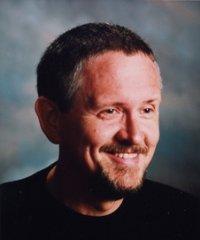
Orson Scott Card
Orson Scott Card

Orson Scott Card, born on August 24, 1951, is a renowned science fiction novelist from the United States. His works are known for their profound philosophical insights and rich imagination, with 'Ender's Game' series being particularly famous and influential in the science fiction genre. more

You May Also Like

“Para ir decapitando monumentos hace falta el silencio, los santones hicieron sus columnas pero no tienen estandartes. ¿Qué lugar daremos a cada quién en nuestra historia? Ya ni siquiera importa, los héroes están muertos y cada quien fabrica sus hazañas. El tiempo es un invento malévolo, nunca aprendió a creer en la verdad porque nació desnudo como los hombres, y, además, ¿es que existe la verdad?”

“So Rwandan history is dangerous. Like all of history, it is a record of successive struggles for power, and to a very large extent power consists in the ability to make others inhabit your story of their reality - even, as is so often the case, when that story is written in their blood.”

“...Five out of 6 children who had been in Rwanda during the slaughter had witnessed bloodshed... Imagine what the totality of such devastation means for a society and it becomes clear that Hutu Power's crimes was much greater than the murder of nearly a million people. Nobody in Rwanda escaped direct physical or psychic damage. The terror was designed to be total and enduring, a legacy to leave Rwandans spinning and disoriented in the slipstream of their memories for a very long time to come, and in that it was successful.”

“Never before in modern memory had a people who slaughtered another people, or in whose name the slaughter was carried out, been expected to live with the remainder of the people that was slaughtered, completely intermingled, in the same tiny communities, as one cohesive national society.”

“The last time I heard an orthodox Marxist statement that was music to my ears was from a member of the Rwanda Patriotic Front, during the mass slaughter in the country. 'The terms Hutu and Tutsi,' he said severely, 'are merely ideological constructs, describing different relationships to the means and mode of production.' But of course!”