“For my nymphet I needed a diminutive with a lyrical lilt to it. One of the most limpid and luminous letters is "L". The suffix "-ita" has a lot of Latin tenderness, and this I required too. Hence: Lolita. However, it should not be pronounced as you and most Americans pronounce it: Low-lee-ta, with a heavy, clammy "L" and a long "o". No, the first syllable should be as in "lollipop", the "L" liquid and delicate, the "lee" not too sharp. Spaniards and Italians pronounce it, of course, with exactly the necessary note of archness and caress. Another consideration was the welcome murmur of its source name, the fountain name: those roses and tears in "Dolores." My little girl's heartrending fate had to be taken into account together with the cuteness and limpidity. Dolores also provided her with another, plainer, more familiar and infantile diminutive: Dolly, which went nicely with the surname "Haze," where Irish mists blend with a German bunny—I mean, a small German hare.”
Quote by Vladimir Nabokov
Work
This work delves into the psychology and social dynamics behind strongly held convictions, considering both their constructive roles in driving progress and their potential to polarize conversations. It likely discusses how individuals form, defend, and sometimes revise their most entrenched views, touching on topics such as cognitive biases, group identity, and the challenges of maintaining open-mindedness in the face of certainty. The book may draw on examples from politics, science, or everyday life to illustrate the power and pitfalls of unwavering stances. more
Author
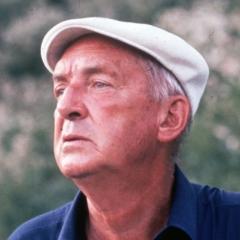
Russian-born American novelist, best known for his novel 'Lolita'. Nabokov is renowned for his unique literary style and profound use of language and symbolism. more
You May Also Like
“You know what 'Dolores' means? It's Latin, means sadness. Our Lady of Sorrow. Why are you so sad?”
“В човешкия живот има случаи, когато минутите не съществуват, така че не можеш да ги преброиш.”