“I do lend my books, but I have to be a bit selective because my marginalia are so incriminating.” --Alison Bechdel”
Quote by Leah Price
Work
Unpacking My Library: Writers and Their Books
Browse quotes and source details for this work. more
Author
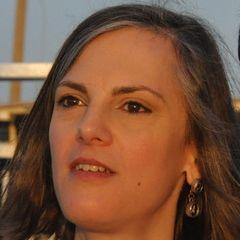
Leah Price
Leah Price (born October 6, 1970) is a scholar specializing in literary studies, book history, and reading culture. Her work explores the interaction between the material form of books and textual meaning, as well as how reading practices shape social and individual identities. Known for her interdisciplinary approach, Price combines literary criticism, history, and cultural studies to analyze books and reading from the 18th century to the present. She has taught at several prestigious universities and authored influential works, including How to Read a Book and The History of the Book. Her research extends beyond academia, influencing public understanding of reading through lectures and media commentary. Price's contributions redefine the study of books as cultural objects, emphasizing their materiality, circulation, and reception history. She is considered a leading figure in book history. more
You May Also Like
Source: Twin-Bred
“لا أتخيل أن هناك من يستمتع جداً بكتاب .. ويقرأه مرة واحدة !!ـ”
“I look back now with amazement at the small accidents that put certain books before me.”
Source: Saturday Papers: Essays on Literature from The Literary Review
“Your worth is more than the hurt you tolerate from worthless people.”
Source: Life Simplified: Quote - Unquote
Source: On the Incarnation
Source: Fahrenheit 451
“Si no podéis disfrutar leyendo un libro repetidas veces, de nada sirve leerlo ni una sola vez.”