“Legends speak of a primeval Pacific homeland called "Hiva" from which the first inhabitants of Easter Island came--a homeland that also fell victim to the "mischief of Uoke's lever" and was "submerged under the sea." What is particularly intriguing about all this, because of its resonance with the Seven Sages--the Apkallu--spoken of in Mesopotamian antediluvian traditions, and with the Seven Sages of the Edfu Building Texts, who sought out new lands in which to recreate the drowned and devastated world of the gods, is that the Seven Sages--"king's sons, all initiated men"--are also said to have been instrumental in the original settlement of Easter Island. Exactly as was the case with the Apkallu, who laid the foundations of all the future temples of Mesopotamia, and with the Edfu Sages who traveled the length and breath of Egypt establishing the sacred mounds on which all future pyramids and temples were to be built, the first task of the Seven Sages from Hiva after their arrival on Easter Island was 'the construction of stone mounds.”
Quote by Graham Hancock
Work
Magicians of the Gods: The Forgotten Wisdom of Earth's Lost Civilization
Browse quotes and source details for this work. more
Author
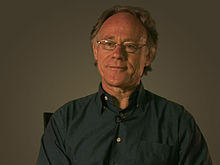
Graham Hancock
Graham Hancock is a British writer known for his research into ancient civilizations and mysterious phenomena. His works delve into the mysteries of human history and culture, including ancient Egypt, the Maya, and Atlantis. more
You May Also Like
Source: La Tavoletta dei Destini
Source: Where the Wind Leads: A Refugee Family's Miraculous Story of Loss, Rescue, and Redemption
“A great leader often sacrifices greatly in the service of others.”
“I've never had much use for religion, except when it comes to swearing or begging for mercy.”
Source: The Wheel of Osheim
Source: Countdown: Our Last Best Hope for a Future on Earth?
Source: Library Looking-Glass : A Personal Anthology
Source: Reimagining Pakistan: Transforming a Dysfunctional Nuclear State