“An altered state of consciousness simply means any state of awareness that is different from our normal waking state. When we daydream or dream at night, we are in an altered state. We can also get into an altered state by using meditations, hypnosis and exercises like jogging or yoga. Using drugs or alcohol can also produce an altered state, but in a less healthy way.”
Quote by Susan Gregg
Work
The Complete Idiot's Guide to Short Meditations: Meditations to Quiet Your Mind and Soothe Your Soul
Browse quotes and source details for this work. more
Author
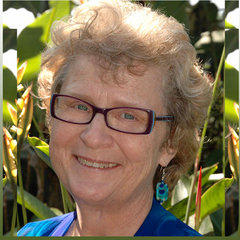
Susan Gregg
Susan Gregg (born 1949) is an American author, speaker, and personal growth mentor specializing in spirituality, self-healing, and consciousness transformation. Known for blending psychology, Eastern philosophy, and modern spiritual practices, her works encourage readers to explore inner wisdom and achieve life changes. Her books include 'The Complete Idiot's Guide to Spiritual Healing' and 'The Toltec Way,' translated into multiple languages. Through workshops, lectures, and online courses, Gregg shares insights to help people overcome fear, build confidence, and find life meaning. more
You May Also Like
Source: The Last Painting of Sara de Vos
“I have got the blessed eye of faith”
Source: Intikhab-e-Kalaam: Bahadur Shah Zafar / انتخاب کلام : بہادر شاہ ظفر
Source: Angels (and Demons): What Do We Really Know About Them?
Source: The Wealth Reference Guide: An American Classic
Source: Market Research Like a Pro
Source: Devil's Paw