“He sometimes halted without saying anything. Either he had finally nothing to say or while having something to say he finally decided not to say it.”
Quote by Samuel Beckett
Work
Texts for Nothing and Other Shorter Prose 1950-1976
Browse quotes and source details for this work. more
Author
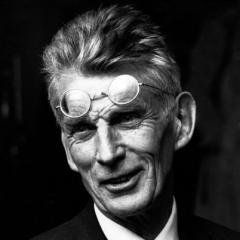
Samuel Beckett
Samuel Beckett was an Irish novelist, playwright, and poet, widely regarded as one of the most influential writers of the 20th century. His works are characterized by their minimalist style, existential themes, and use of language. His most famous works include 'Waiting for Godot' and 'Molloy'. Beckett was awarded the Nobel Prize in Literature in 1969. more
You May Also Like
“Few realize how loud their expressions really are. Be kind with what you wordlessly say.”
Source: Making Wishes: Quotes, Thoughts, & a Little Poetry for Every Day of the Year
Source: Emotional Vampires: Dealing With People Who Drain You Dry
“I do listen. I just wait for the words to stop and your eyes to speak.”
Source: Slaying Dragons: Quotes, Poetry, & a Few Short Stories for Every Day of the Year
“Be brave enough to walk away from the people who don't treat you right.”
“In every shared glance, a story of love unfolds.”
Source: Beyond the Bouquet: A Symphony of Love in Fifty Movements
Source: Overcoming Fake Talk: How to Hold REAL Conversations that Create Respect, Build Relationships, and Get Results
Source: Eisenhower in War and Peace
Source: The Secret of Our Success: How Culture Is Driving Human Evolution, Domesticating Our Species, and Making Us Smarter
Source: Successful Failures: Recognizing the Divine Role That Opposition Plays in Life's Quest for Success