Quotessence
Home / Quotes / Quote by Rainer Maria Rilke

Quote by Rainer Maria Rilke

“All we can offer where we love is this: to loose each other; for to hold each other comes easy to us and requires no learning.”

Quote by Rainer Maria Rilke

Author
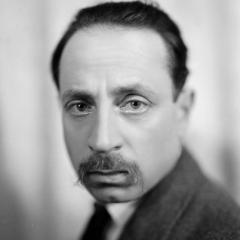
Rainer Maria Rilke
Rainer Maria Rilke

German poet known for his profound poetry and epistolary works. Rainer Maria Rilke's poetry style is unique, often exploring themes such as loneliness, love, and religious faith. more

You May Also Like

“You don’t want to think about it but it’s the first thing on your mind. You say, “We made THE APPOINTMENT.” You avoid the word “euthanasia” because it makes everything too real. It is a beautiful word, really. It is Greek for “easy death” and it is true, there is no easier death than this. It is unfortunate that, once again, people are so afraid of death in all its forms that they find it so difficult even when the time of death is peaceful.”

“For those of you who have childhood memories with pain or loss in them, it probably doesn't take much to recall those grievances and grudges. But as we look at the power of confronting the truth about your past, I hope that you (...) can avoid the waste before the days turn into weeks, weeks turn into months, and months turn into years. You can take control. You can avoid those wasted years. And it's never too late to start.”

“SURRENDER I surrender all to you. I surrender my life to you. I will do whatever you want. I will go wherever you want. I will love whoever you ask me to love. I will give up all my stupid opinions. I will give up all my hopeless cravings. I release my broken dreams. I forfeit my planned futures. I am at your mercy. I will think no thought or proceed with any action which does not come from you because You love me.”

“I see so many women here,” she says, “and they are holding, all of them. Holding on to their sons or their lovers or their husbands, or their fathers, just as surely as they are holding on to the photographs that they keep or the fragments of childhood they bring with them and out on the table here.” She gestures with her hand. “They’re all different but all the same. All of them are afraid to let them go. And if we feel guilt, we find it even harder to release the dead. We keep them close to us; we guard them jealously. They were OURS. We want them to remain ours.” There’s a silence. “But they’re not ours,” she says. “And in a sense, they never were. They belong to themselves, only. Just as we belong to ourselves. And this is terrible in some ways, and in others...it might set us free.”