“But do I desire unreasonably much in wanting what is called life—music, poetry, passion, war, and all the beating and pulsing that is going on in the great arteries of the world? That was the shape of my youthful dream; but I did not get it.”
Quote by Thomas Hardy
Work
The Return of the Native
The Return of the Native is a novel by Thomas Hardy, first published in 1878. The story is set on Egdon Heath, a fictional barren and wild landscape in the English countryside, which serves as a central symbol of nature's indifference and the constraints of rural life. The narrative follows the return of Clym Yeobright, a young man who leaves his successful career in Paris to pursue a simpler life on the heath, and his complex relationships with Eustacia Vye, a passionate and restless woman longing for escape, and other local inhabitants. The novel examines the conflict between individual desires and societal expectations, the role of fate and chance, and the tension between modernity and tradition. Hardy's detailed depiction of the heath and his use of natural imagery underscore the characters' struggles and the tragic consequences of their choices. The work is considered a classic of Victorian literature, noted for its philosophical depth and its critique of social structures. more
Author
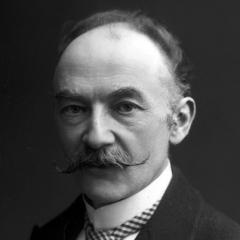
Thomas Hardy
Thomas Hardy, a British novelist born on June 2, 1840, and died on January 11, 1928, is renowned for his novels that depict rural life, reflecting the social changes in 19th-century England. His works often carry a sense of pessimism, depicting the fates of characters with sympathy. more
You May Also Like
Source: A Guest in the House
Source: কবিতার স্বপ্ন
Source: Psicología de los eneatipos: AVARICIA
“Those who seek, certainly get, the inspiration that they want, for their dreams.”
Source: Rep By Rep
Source: Les Carmidor : Trahir et Survivre
Source: Invitation to a Bonfire
Source: Science and Method
Source: Dreck
Source: Dreck