“Most of the world is either asleep or dead. The religious people are, for the most part, asleep. The irreligious are dead. Those who are asleep are divided into two classes, like the Virgins in the parable, waiting for the Bridegroom's coming. The wise have oil in their lamps. That is to say they are detached from themselves and from the cares of the world, and they are full of charity. They are indeed waiting for the Bridegroom, and they desire nothing else but His coming, even though they may fall asleep while waiting for Him to appear. But the others are not only asleep: they are full of other dreams and other desires. Their lamps are empty because they have burned themselves out in the wisdom of the flesh and in their own vanity. When He comes, it is too late for them to buy oil. They light their lamps only after He has gone. So they fall asleep again, with useless lamps, and when they wake up they trim them to investigate, once again, the matters of a dying world.”
Quote by Thomas Merton
Book:No Man Is an Island
Work
No Man Is an Island
This book is a profound exploration of individuality and its relationship to society. It delves into the idea that no person is an island, emphasizing the necessity of human connection and the impact of community on personal identity and well-being. more
Author
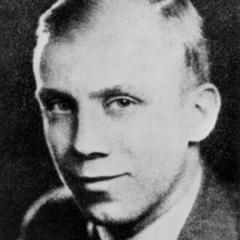
Thomas Merton
Thomas Merton (January 31, 1915 - December 10, 1968) was an American writer, poet, social critic, and mystic. His works covered a wide range of topics including philosophy, religion, and social justice, and were highly appreciated by readers. more
You May Also Like
“The public for which masterpieces are intended is not on this earth.”
Source: The Bridge of San Luis Rey
Source: House of Day, House of Night
Source: Necrophilia Variations
Source: Leaving Town Alive
Source: Sacré Bleu: A Comedy d'Art
Source: Sacré Bleu: A Comedy d'Art
Source: Still Life
Source: A Clockwork Orange