Quotessence
Home / Quotes / Quote by F. Scott Fitzgerald

Quote by F. Scott Fitzgerald

“Because of the chasm which his grandfather’s visit had opened before him, and the consequent revulsion from his late mode of life, it was inevitable that he should look around in this suddenly hostile city for the friends and environments that had once seemed the warmest and most secure. His fist step was a desperate attempt to get back his old apartment.”

Quote by F. Scott Fitzgerald

Work

The Beautiful and Damned

F. Scott Fitzgerald's 'The Beautiful and Damned' is a narrative about the unraveling of a marriage between Anthony Patch and his wife, Gloria. Set in the lavish and decadent world of the 1920s, the story delves into themes of wealth, excess, and the disintegration of the American Dream. The novel is known for its vivid portrayal of the era's social and moral decay, and its complex characters who are both admired and criticized for their lifestyles. more

Author
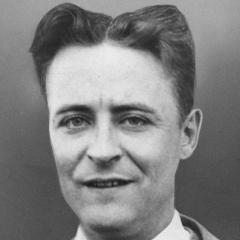
F. Scott Fitzgerald
F. Scott Fitzgerald

F. Scott Fitzgerald was an American author of novels and short stories, renowned for his works that encapsulate the Jazz Age and the Roaring Twenties. His most celebrated novel, 'The Great Gatsby,' is a critical and commercial success, reflecting the themes of the American Dream and the decline of the American upper class. more

You May Also Like

“America has no now. We're reluctant to acknowledge the present. It's too embarrassing. Instead, we reach into the past. Our culture is composed of sequels, reruns, remakes, revivals, reissues, re-releases, recreations, reenactments, adaptations, anniversaries, memorabilia, oldies radio, and nostalgia record collections. World War II has been refought so many times, the Germans and Japanese are now drawing residuals.”

“¿Has hecho bien en volver? Te arrepentirás, Urania. Desperdiciar una semana de vacaciones, tú que nunca tenías tiempo para conocer tantas ciudades, regiones, países que te hubiera gustado ver -las cordilleras y los lagos nevados de Alaska, por ejemploretornando a la islita que juraste no volver a pisar. ¿Síntoma de decadencia? ¿Sentimentalismo otoñal? Curiosidad, nada más. Probarte que puedes caminar por las calles de esta ciudad que ya no es tuya, recorrer este país ajeno, sin que ello te provoque tristeza, nostalgia, odio, amargura, rabia.”

“How can I begin to tell you how much I miss you without using those three common words that can't even start to express the magnitude nor the depth of my emotions. How can I write in my own blood while wanting to revert its color. The color of blood is similar to "I miss you". It has been raped by writers and lovers constantly, ever since Cain and Abel. I want to be able to create a new alphabet that can simply stand in front of you without bowing. I want to use new metaphors that would erupt like volcanoes between the phrases of my readers' souls. Metaphors such as your absence is similar to eating salt straight from the shaker while thirst is devouring my tongue. Metaphors such as the lack of your presence is like being straddled behind the glass of my own senses.”

“The past folds accordion-like into the present. Different media have different event horizons—for the written word, three millennia; for recorded sound, a century and a half—and within their time frames the old becomes as accessible as the new. Yellowed newspapers come back to life. Under headings of 50 Years Ago and 100 Years Ago, veteran publications recycle their archives: recipes, card-play techniques, science, gossip, once out of print and now ready for use. Record companies rummage through their attics to release, or re-release, every scrap of music, rarities, B-sides, and bootlegs. For a certain time, collectors, scholars, or fans possessed their books and their records. There was a line between what they had and what they did not. For some, the music they owned (or the books, or the videos) became part of who they were. That line fades away. Most of Sophocles' plays are lost, but those that survive are available at the touch of a button. Most of Bach's music was unknown to Beethoven; we have it all—partitas, cantatas, and ringtones. It comes to us instantly, or at light speed. It is a symptom of omniscience. It is what the critic Alex Ross calls the Infinite Playlist, and he sees how mixed is the blessing: "anxiety in place of fulfillment, and addictive cycle of craving and malaise. No sooner has one experience begun than the thought of what else is out there intrudes." The embarrassment of riches. Another reminder that information is not knowledge, and knowledge is not wisdom.”

“ابيضّ شعر يوسف في عمر السابعة حين شاهد الثلج يهدم حجرة أخيه الأكبر، فيسقط السقف عليه وزوجته وتوأميه، الأجساد الأربعة يراها يوسف بعد ذلك ممدة على السرير الحديد في القبو. وتظلّ تزوره في أحلامه حتى عمرٍ متقدّمة. كان يقضي يومه متأملاً ويفكّر إمّا مُعلّقًا على غصن التينة ومأرجحًا أحد ساقيه، أو تحت ظلّ شجرة التوت بجوار قبر أمّه سارة.تعلّم يوسف إبراهيم خاطر جابر الكتابة، أراد أن يشغله والده عن ساعات التفكير الطويلة. “تعلّم يوسف كيف يكتب اسمه، تعلّم كيف يكتب الأرقام، تعلّم كيف يكتب “الله جلّ جلاله” تعلّم كيف يكتب إبراهيم بالألف الطويلة كشجرة في الوسط، تعلّم كيف يكتب سارة بالراء التي تكرج كالمياه من “هارب قناة المير” وبالتاء المربوطة التي نلفظها كالألف بعد راء إبراهيم، تعلّم كيف يكتب نور الدين، وأحسّ حين كتب اسم أخيه الصغير أنه يسمع صوت بكاءه خارجًا من الحروف”. كان يمرر يده على الحروف بعد أن يكتبها فيشعر أنها تتنفس تحت أصابعه.”

“Sometimes it seems like he just wants to punish someone, anyone, for a long list of grievances that he has never made clear, which you can never ask about because he keeps his emotions so guarded that any question would be interpreted as assault. I wonder if dragging us to this village and the nearby town wear he spent his childhood is a way of sinking us all into his own personal hell so that we can see how this strange combination of poverty and opportunity, these broken and muddy roads, these crumbling houses, these overburdened men and women walking slowly in these streets singing praise songs to keep themselves going, created the strange combination of love and anger and pride and fear that is my father. He always sat in the passenger seat while we drove around the village so he could fully view what he sometimes called a world of wasted opportunity. With OJ or my mother in the car, he pointed out all the things he would make right if only he had the power. With me now, he says nothing. Occasionally he turns to look at me with the same expression that occupies his face when he has to solve a problem at the office. I sink down in my seat and wish that my mother had come.”