Quotessence
Home / Quotes / Quote by Rollo May

Quote by Rollo May

“We in our age are faced with a strange paradox. Never before have we had so much information in bits and pieces flooded upon us by radio and television and satellite, yet never before have we had so little inner certainty about our own being. The more objective truth increases, the more our inner certitude decreases. Our fantastically increased technical power, and each forward step in technology is experienced by many as a new push toward our possible annihilation. Nietzsche was strangely prophetic when he said, “We live in a period of atomic chaos…the terrible apparition…the Nation State…and the hunt for happiness will never be greater than when it must be caught between today and tomorrow; because the day after tomorrow all hunting time may have come to an end altogether.” Sensing this, and despairing of ever finding meaning in life, people these days seize on the many ways of dulling their awareness by apathy, by psychic numbing, or by hedonism. Others, especially young people, elect in alarming and increasing numbers to escape their own being by suicide.”

Quote by Rollo May

Work

The Discovery of Being: Writings in Existential Psychology

Browse quotes and source details for this work. more

Author
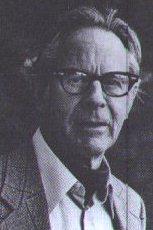
Rollo May
Rollo May

Rollo May was an American psychologist born on April 21, 1909, and died on October 22, 1994. He was a significant figure in existential psychology and is considered one of the pioneers of the field. more

You May Also Like

“{The final resolutions at Robert Ingersoll's funeral, quoted here} Whereas, in the order of nature -- that nature which moves with unerring certainty in obedience to fixed laws -- Robert G. Ingersoll has gone to that repose which we call death. We, his old friends and fellow-citizens, who have shared his friendship in the past, hereby manifest the respect due his memory. At a time when everything impelled him to conceal his opinions or to withhold their expression, when the highest honors of the state were his if he would but avoid discussion of the questions that relate to futurity, he avowed his belief; he did not bow his knee to superstition nor countenance a creed which his intellect dissented. Casting aside all the things for which men most sigh -- political honor, the power to direct the futures of the state, riches and emoluments, the association of the worldly and the well- to-do -- he stood forth and expressed his honest doubts, and he welcomed the ostracism that came with it, as a crown of glory, no less than did the martyrs of old. Even this self-sacrifice has been accounted shame to him, saying that he was urged thereto by a desire for financial gain, when at the time he made his stand there was before him only the prospect of loss and the scorn of the public. We, therefore, who know what a struggle it was to cut loose from his old associations, and what it meant to him at that time, rejoice in his triumph and in the plaudits that came to him from thus boldly avowing his opinions, and we desire to record the fact that we feel that he was greater than a saint, greater than a mere hero -- he was a thoroughly honest man. He was a believer, not in the narrow creed of a past barbarous age, but a true believer in all that men ought to hold sacred, the sanctity of the home, the purity of friendship, and the honesty of the individual. He was not afraid to advocate the fact that eternal truth was eternal justice; he was not afraid of the truth, nor to avow that he owed allegiance to it first of all, and he was willing to suffer shame and condemnation for its sake. The laws of the universe were his bible; to do good, his religion, and he was true to his creed. We therefore commend his life, for he was the apostle of the fireside, the evangel of justice and love and charity and happiness. We who knew him when he first began his struggle, his old neighbors and friends, rejoice at the testimony he has left us, and we commend his life and efforts as worthy of emulation.”

“ខ្ញុំពិតជាឈឺចាប់ណាស់ នៅពេលដែលអ្នកស្មោះត្រង់នឹងខ្ញុំ ប៉ុន្តែខ្ញុំបែរជាក្បត់អ្នក តែការឈឺចាប់នេះ នៅមានទំហំតិចជាងវិប្បដិសារីដែលខ្ញុំក្បត់អ្នកនៅពេលដែលអ្នកស្មោះត្រង់នឹងខ្ញុំ”

“I feel sorry for people who maintain relationships and friendships detrimental to their mental health. Everyone is guilty of it at one time or another- but the idea is to strive to be your best; right? So, meanwhile why are so many people faking it? Security? Fear of loneliness? Fears of independence? Fears of being self ? Or just the idea that you can make someone change? Regardless of the justifications you give & treat yourself to... , I hope all of you - "new year -new me types" strive for self care , honest and pure friendships and relationships based of love- and not based off the fake realities of your mind. These delusions of what you hope for instead of what's there, where you and your puppet show master focus more on everyone else and less on self. To change the world you must start within. But you must first BE HONEST with yourself. My new year started a few months ago-- and it was the best choice I ever made- and I hope your recreations are progressive and successful in THE NEW YEAR”

“At present, the successful office-seeker is a good deal like the center of the earth; he weighs nothing himself, but draws everything else to him. There are so many societies, so many churches, so many isms, that it is almost impossible for an independent man to succeed in a political career. Candidates are forced to pretend that they are catholics with protestant proclivities, or christians with liberal tendencies, or temperance men who now and then take a glass of wine, or, that although not members of any church their wives are, and that they subscribe liberally to all. The result of all this is that we reward hypocrisy and elect men entirely destitute of real principle; and this will never change until the people become grand enough to allow each other to do their own thinking. Our government should be entirely and purely secular. The religious views of a candidate should be kept entirely out of sight. He should not be compelled to give his opinion as to the inspiration of the bible, the propriety of infant baptism, or the immaculate conception. All these things are private and personal. The people ought to be wise enough to select as their officers men who know something of political affairs, who comprehend the present greatness, and clearly perceive the future grandeur of our country. If we were in a storm at sea, with deck wave-washed and masts strained and bent with storm, and it was necessary to reef the top sail, we certainly would not ask the brave sailor who volunteered to go aloft, what his opinion was on the five points of Calvinism. Our government has nothing to do with religion. It is neither christian nor pagan; it is secular. But as long as the people persist in voting for or against men on account of their religious views, just so long will hypocrisy hold place and power. Just so long will the candidates crawl in the dust—hide their opinions, flatter those with whom they differ, pretend to agree with those whom they despise; and just so long will honest men be trampled under foot.”