Quotessence
Home / Quotes / Quote by William Shakespeare

Quote by William Shakespeare

“Each new morn New widows howl, new orphans cry, new sorrows Strike heaven on the face, that it resounds As if it felt with Scotland, and yelled out Like syllable of dolor.”
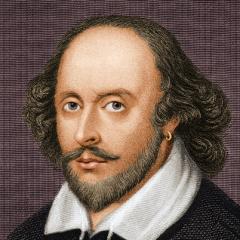
Quote by William Shakespeare

Book:Macbeth

Work

Macbeth

This classic play explores themes of ambition, guilt, and the supernatural, following the rise and fall of the title character, Macbeth. more

Author

William Shakespeare
William Shakespeare

William Shakespeare (1564 - April 23, 1616) was one of the greatest poets of the English Renaissance, renowned for his dramatic works. His plays spanned a variety of genres, including tragedy, comedy, and history, and have had a profound impact on literature worldwide. more

You May Also Like

“I use “anticapitalist” because conservative defenders of capitalism regularly say their liberal and socialist opponents are against capitalism. They say efforts to provide a safety net for all people are “anticapitalist.” They say attempts to prevent monopolies are “anticapitalist.” They say efforts that strengthen weak unions and weaken exploitative owners are “anticapitalist.” They say plans to normalize worker ownership and regulations protecting consumers, workers, and environments from big business are “anticapitalist.” They say laws taxing the richest more than the middle class, redistributing pilfered wealth, and guaranteeing basic incomes are “anticapitalist.” They say wars to end poverty are “anticapitalist.” They say campaigns to remove the profit motive from essential life sectors like education, healthcare, utilities, mass media, and incarceration are “anticapitalist.” In doing so, these conservative defenders are defining capitalism. They define capitalism as the freedom to exploit people into economic ruin; the freedom to assassinate unions; the freedom to prey on unprotected consumers, workers, and environments; the freedom to value quarterly profits over climate change; the freedom to undermine small businesses and cushion corporations; the freedom from competition; the freedom not to pay taxes; the freedom to heave the tax burden onto the middle and lower classes; the freedom to commodify everything and everyone; the freedom to keep poor people poor and middle-income people struggling to stay middle income, and make rich people richer. The history of capitalism—of world warring, classing, slave trading, enslaving, colonizing, depressing wages, and dispossessing land and labor and resources and rights—bears out the conservative definition of capitalism.”

“Would it not be better if they spent more money on wholesome things like oranges and wholemeal bread or if they even, like the writer of the letter to the New Statesman, saved on fuel and ate their carrots raw? Yes, it would, but the point is that no ordinary human being is ever going to do such a thing. The ordinary human being would sooner starve than live on brown bread and raw carrots. And the peculiar evil is this, that the less money you have, the less inclined you feel to spend it on wholesome food. A millionaire may enjoy breakfasting off orange juice and Ryvita biscuits; an unemployed man doesn't. Here the tendency of which I spoke at the end of the last chapter comes into play. When you are unemployed, which is to say when you are underfed, harassed, bored, and miserable, you don't want to eat dull wholesome food. You want something a little bit 'tasty'. There is always some cheaply pleasant thing to tempt you.”