“Would it not be better if they spent more money on wholesome things like oranges and wholemeal bread or if they even, like the writer of the letter to the New Statesman, saved on fuel and ate their carrots raw? Yes, it would, but the point is that no ordinary human being is ever going to do such a thing. The ordinary human being would sooner starve than live on brown bread and raw carrots. And the peculiar evil is this, that the less money you have, the less inclined you feel to spend it on wholesome food. A millionaire may enjoy breakfasting off orange juice and Ryvita biscuits; an unemployed man doesn't. Here the tendency of which I spoke at the end of the last chapter comes into play. When you are unemployed, which is to say when you are underfed, harassed, bored, and miserable, you don't want to eat dull wholesome food. You want something a little bit 'tasty'. There is always some cheaply pleasant thing to tempt you.”
Quote by George Orwell
Work
The Road to Wigan Pier
Published in 1937, the book is a blend of personal reflections and detailed observations of the author's journey through the industrial town of Wigan, shedding light on the hardships faced by the working poor during the interwar period. more
Author
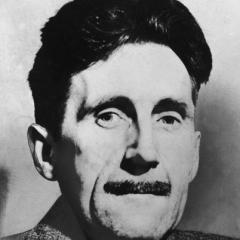
George Orwell
George Orwell, born Eric Arthur Blair, was a British novelist and political critic. Known for his sharp social criticism and profound insights into totalitarianism, Orwell is best remembered for his novels '1984' and 'Animal Farm', which remain influential to this day. more
You May Also Like
Source: Les Misérables
Source: The English American
Source: On Wealth and Poverty
Source: Ten Second Staircase
“If wealth is a magnet, poverty is a kind of repellent.”
Source: Long Walk To Freedom
Source: It Can't Happen Here
Source: Banker To The Poor: Micro-Lending and the Battle Against World Poverty
“YOU are the creator of your experience, therefore: all problems must be met within YOU.”
Source: The Essentials of Life