“It may seem strange to call this slow collapse invisible since so much of it is obvious: the deep uncertainties about the union after the Good Friday Agreement of 1998 and the establishment of the Scottish Parliament the following year; the consequent rise of English nationalism; the profound regional inequalities within England itself; the generational divergence of values and aspirations; the undermining of the welfare state and its promise of shared citizenship; the contempt for the poor and vulnerable expressed through austerity; the rise of a sensationally self-indulgent and clownish ruling class. But the collective effects of these inter-related developments seem to have been barely visible within the political mainstream until David Cameron accidentally took the lid off by calling the EU referendum and asked people to endorse the status quo. What we see with the mask pulled back and the fog of fantasies at last beginning to dissipate is the revelation that Brexit is much less about Britain's relationship with the EU than it is about Britain's relationship with itself. It is the projection outwards of an inner turmoil. An archaic political system carried on even while its foundations in a collective sense of belonging were crumbling. Brexit in one way alone has done a real service: it has forced the old system to play out its death throes in public. The spectacle is ugly, but at least it shows that a fissiparous four-nation state cannot be governed without radical social and cconstitutional change.”
Quote by Fintan O'Toole
Work
Scotland the Brave? Twenty Years of Change and the Future of the Nation
Browse quotes and source details for this work. more
Author
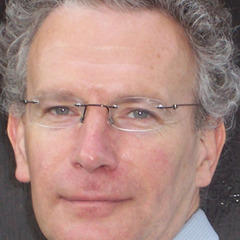
Fintan O'Toole
Fintan O'Toole is an Irish columnist renowned for his insightful and thought-provoking writing. Born in 1958, he has made significant contributions to the field of journalism and has been a voice of reason in the Irish political and social landscape. more
You May Also Like
Source: In the Know
Source: Reassembling the Social: An Introduction to Actor-Network-Theory
Source: Underdogs Unite
Source: Gunpowder Soup
Source: The World As It Is: Inside the Obama White House
Source: Anita and Me
“When everyone's building a fence, isn't it a true fool who lives out in the open?”
Source: Feel Free: Essays
Source: On Resistism
Source: Brexit and the British: Who Are We Now?