“In asking for a relic of Descartes, the chevalier de Terlon was standing at the crossroads of the ancient and modern. He was applying to a modern thinker - the inventor of analytic geometry, no less - a primitive tradition that extends back not only to the institutionalization of Christianity in the fourth century, when Christians first broke into the tombs of saints to gather relics, but farther still, beyond the horizon of recorded history. The request is all the stranger for the fact that the man whose remains were treated in this quasisaintlike way would go down in history as the progenitor of materialism, rationalism, and a whole tradition that looked on such veneration as nonsense.”
Quote by Russell Shorto
Work
Descartes' Bones: A Skeletal History of the Conflict between Faith and Reason
This book delves into the intellectual and spiritual struggles of René Descartes, examining how his work and life exemplify the ongoing conflict between faith and reason in human history. more
Author
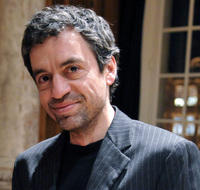
Russell Shorto
Russell Shorto is a renowned American author known for his historical works. His writings often focus on the history and culture of the Netherlands, particularly on New Amsterdam during the 17th century. Shorto's writing style is praised for its in-depth research and vivid storytelling. more
You May Also Like
“As comestibles nourish our bodies and ideas nourish our minds, so art nourishes our souls.”
Source: Crosspoints: A Novel of Choice
Source: Simple Reminders: Inspiration for Living Your Best Life
Source: Good and Evil: Two Sides of the Same Coin
Source: Shaping the dream
Source: Oath of Swords
“Reasoning can take you wherever you want to go.”
Source: The Righteous Mind: Why Good People Are Divided by Politics and Religion
Source: Critique of pure reason
Source: Momo