“It was a fact generally acknowledged by all but the most contumacious spirits at the beginning of the seventeenth century that woman was the weaker vessel; weaker than man, that is. ... That was the way God had arranged Creation, sanctified in the words of the Apostle. ... Under the common law of England at the accession of King James I, no female had any rights at all (if some were allowed by custom). As an unmarried woman her rights were swallowed up in her father's, and she was his to dispose of in marriage at will. Once she was married her property became absolutely that of her husband. What of those who did not marry? Common law met that problem blandly by not recognizing it. In the words of The Lawes Resolutions [the leading 17th century compendium on women's legal status]: 'All of them are understood either married or to be married.' In 1603 England, in short, still lived in a world governed by feudal law, where a wife passed from the guardianship of her father to her husband; her husband also stood in relation to her as a feudal lord.”
Quote by Antonia Fraser
Book:The Weaker Vessel
Work
The Weaker Vessel
Browse quotes and source details for this work. more
Author
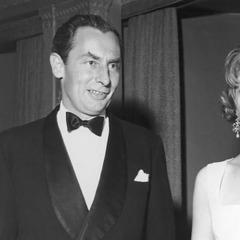
Antonia Fraser
Antonia Fraser is a renowned British historian and author, known for her in-depth research into British history. Her works span from the Tudor to the Stuart periods, with her studies on Mary, Queen of Scots being particularly notable. more
You May Also Like
Source: The End
Source: Serendipity
Source: Wicked Becomes You
“But a good wife—a good unworldly woman—may really help a man, and keep him more independent.”
Source: Middlemarch
“For marriage is like life in this—that it is a field of battle, and not a bed of roses.”
Source: The Godmother
“Well married, a man is winged—ill-matched, he is shackled.”
Source: Norwood: or, Village life in New England
“Taking up marriage is a good excuse for taking up cursing." These is my words”