“I am no novel-reader—I seldom look into novels—Do not imagine that I often read novels—It is really very well for a novel.” Such is the common cant. “And what are you reading, Miss—?” “Oh! It is only a novel!” replies the young lady, while she lays down her book with affected indifference, or momentary shame. “It is only Cecilia, or Camilla, or Belinda”; or, in short, only some work in which the greatest powers of the mind are displayed, in which the most thorough knowledge of human nature, the happiest delineation of its varieties, the liveliest effusions of wit and humour, are conveyed to the world in the best-chosen language.”
Quote by Jane Austen
Northanger abbeyNorthanger Abbey follows Catherine Morland, a naive and bookish young woman who is invited to stay with the wealthy Tilney family at their ancient home, Northanger Abbey. Influenced by the Gothic novels she loves, Catherine begins to imagine that the abbey harbors dark secrets, including a possible murder. As she becomes entangled in social relationships and romantic misunderstandings, she must learn to distinguish between fiction and reality. The novel gently satirizes the conventions of Gothic fiction while exploring themes of social class, imagination, and personal growth. more
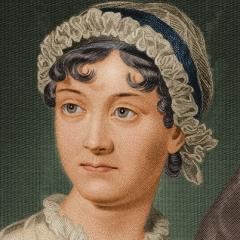
Jane AustenJane Austen, born on December 16, 1775, and died on July 18, 1817, was a renowned English novelist of the 19th century. Known for her exquisite psychological portrayals and satirical humor, Austen's works mainly revolve around rural life in England, depicting the customs and interpersonal relationships of the time. Her representative works include 'Pride and Prejudice' and 'Sense and Sensibility'. more