“If I were to draw, I would apply myself only to studying the form of inanimate objects," I said somewhat imperiously, because I wanted to change the subjects and also because a natural inclination does truly lead me to recognise my moods in the motionless suffering of things.”
Quote by Italo Calvino
Work
If on a winter's night a traveler
This novel is a postmodern work that combines elements of fantasy, science fiction, and metafiction. It follows the story of a reader who becomes immersed in a series of tales, each with its own unique style and ending. The narrative structure is non-linear and often self-referential, challenging the reader's perception of reality and the nature of storytelling. more
Author
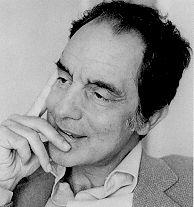
Italo Calvino
Italian writer and journalist, known for his unique narrative style and rich imagination. Calvino is considered one of the greatest writers of the 20th century, whose works have had a profound impact on literature both in Italy and around the world. more
You May Also Like
Source: The Cross of Redemption: Uncollected Writings
“That the other suffers has to be learned; and it can never be learned fully.”
Source: Human, All Too Human: A Book for Free Spirits
“Bullshit takes no genius, even fool senses its' foul.”
Source: My Ancestor Was an Ancient Astronaut
Source: Postcards from Ed: Dispatches and Salvos from an American Iconoclast
“The afflicted don’t need comforting, they need what the comfortable have always had.”
Source: One Day, Everyone Will Have Always Been Against This
Source: For Your Own Good: Hidden Cruelty in Child-Rearing and the Roots of Violence
“We do not know the worth of one single drop of blood, one single tear.”
Source: Man's Search for Meaning
Source: The garden of Epicurus
Source: The Letters of Abélard and Héloïse