Quotessence
Home / Quotes / Quote by Lilian Jackson Braun

Quote by Lilian Jackson Braun

Work

The Cat Who Could Read Backwards

This book is a mystery novel that centers on a cat with an extraordinary talent for reading backwards. The story intertwines the cat's peculiar skill with a series of intriguing mysteries, creating a narrative that combines elements of whimsy with traditional detective fiction. more

Author
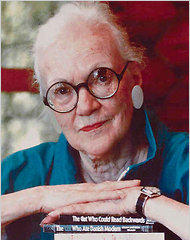
Lilian Jackson Braun

Lilian Jackson Braun was an American author, born on June 20, 1913, and passed away on June 4, 2011. She is best known for her mystery novel series, particularly the 'Kitty Miller' cat detective series. more

You May Also Like

“And she got the feeling that Boots Smith's relationship to this swiftly moving car was no ordinary one. He wasn't just a black man driving a car at a pell-mell pace. He had lost all sense of time and space as the car plunged forward into the cold, white night. The act of driving the car made him feel he was a powerful being who could conquer the world. Up over hills, fast down on the other side. It was like playing god and commanding everything within hearing to awaken and listen to him. The people sleeping in the white farmhouses were at the mercy of the sound of his engine roaring past in the night. It brought them half-awake—disturbed, uneasy. The cattle in the barns moved in protest, the chickens stirred on their roosts and before any of them could analyze the sound that had alarmed them, he was gone—on and on into the night. And she knew, too, that this was the reason white people turned scornfully to look at Negroes who swooped past them on the highways. 'Crazy niggers with autos' in the way they looked. Because they sensed that the black men had to roar past them, had for a brief moment to feel equal, feel superior; had to take reckless chances going around curves, passing on hills, so that they would be better able to face a world that took pains to make them feel that they didn't belong, that they were inferior. Because in that one moment of passing a white man in a car they could feel good and the good feeling would last long enough so that they could hold their heads up the next day and the day after that. And the white people in the cars hated it because—and her mind stumbled over the thought and then went on—because possibly they, too, needed to go on feeling superior. Because if they didn't, it upset the delicate balance of the world they moved in when they could see for themselves that a black man in a ratclap car could overtake and pass them on a hill. Because if there was nothing left for them but that business of feeling superior to black people, and that was taken away even for the split second of one car going ahead of another, it left them with nothing.”

“One example of taking a male-friendly approach [in therapy] is the view that traditional masculinity is not the root cause of men’s mental health problems, and, in fact, might contain valuable resources that can enhance mental health. This viewpoint allows therapists to understand men in a way that is more likely to foster better rapport between therapist and client, facilitating a more successful therapy.”

“Male-friendly therapy is an approach that recognises there are some differences in how men and women deal with their mental health issues. Further, it tries to accommodate these differences in therapy. For example, there is evidence that men tend to prefer a more solution-focused approach to deal with their problems.”