“The mice were furious." [...] "Oh yes," said the old man mildly. "Yes well so I expect were the dogs and cats and duckbilled platypuses, but..." "Ah, but they hadn't paid for it you see, had they?" "Look," said Arthur, "would it save you a lot of time if I just gave up and went mad now?" [...] "Earthman, the planet you lived on was commissioned, paid for, and run by mice. It was destroyed five minutes before the completion of the purpose for which it was built, and we've got to build another one." Only one word registered with Arthur. "Mice?" he said. "Indeed Earthman." "Look, sorry - are we talking about the little white furry things with the cheese fixation and women standing on tables screaming in early sixties sit coms?" Slartibartfast coughed politely. "[...] These creatures you call mice, you see, they are not quite as they appear. They are merely the protrusion into our dimension of vast hyperintelligent pandimensional beings. The whole business with the cheese and the squeaking is just a front." The old man paused, and with a sympathetic frown continued. "They've been experimenting on you, I'm afraid.”
Quote by Douglas Adams
Work
The Hitchhiker’s Guide to the Galaxy
Browse quotes and source details for this work. more
Author
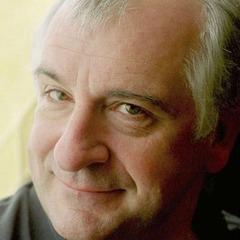
Douglas Adams
Douglas Adams was a British writer best known for his science fiction series 'The Hitchhiker's Guide to the Galaxy'. His work is celebrated for its unique humor and profound philosophical insights, making it a favorite among readers. Adams' novels often contain satirical commentary on modern society and deep reflections on the human condition. more
You May Also Like
Source: These Old Shades
Source: How to be an Alien: A Handbook for Beginners and Advanced Pupils
“And that noise! It was enough to make that happy mailman on Mr. Rogers go postal!”
Source: Buffy the Vampire Slayer: Halloween Rain; Bad Bargain; Afterimage v. 2
Source: A Place of Greater Safety
Source: Don Quixote
“He was under the mistaken impression that I didn't have enough tact. The truth was, I had no tact.”
Source: Bewitching the Werewolf
Source: The Fish Can Sing
Source: Bedlam