“Isabelle and Amory were distinctly not innocent, nor were they particularly brazen. Moreover, amateur standing had very little value in the game they were playing, a game that would presumably be her principal study for years to come. She had begun as he had, with good looks and an excitable temperament, and the rest was the result of accessible popular novels and dressing-room conversation culled from a slightly older set. Isabelle had walked with an artificial gait at nine and a half, and when her eyes, wide and starry, proclaimed the ingenue most. Amory was proportionately less deceived. He waited for the mask to drop off, but at the same time he did not question her right to wear it. She, on her part, was not impressed by his studied air of blasé sophistication. She had lived in a larger city and had slightly an advantage in range. But she accepted his pose--it was one of the dozen little conventions of this kind of affair. He was aware that he was getting this particular favor now because she had been coached; he knew that he stood for merely the best game in sight, and that he would have to improve his opportunity before he lost his advantage. So they proceeded with an infinite guile that would have horrified her parents.”
Quote by F. Scott Fitzgerald
Work
This Side of Paradise is a seminal work of American literature, offering a vivid portrayal of the Roaring Twenties. The story follows the protagonist, Amory Blaine, as he navigates the social and romantic landscapes of New York City and Europe. The novel is known for its exploration of themes such as youthful idealism, the pursuit of happiness, and the challenges of adulthood. more
Author
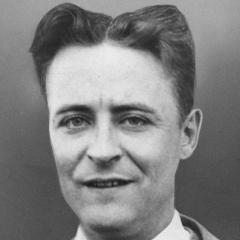
F. Scott Fitzgerald was an American author of novels and short stories, renowned for his works that encapsulate the Jazz Age and the Roaring Twenties. His most celebrated novel, 'The Great Gatsby,' is a critical and commercial success, reflecting the themes of the American Dream and the decline of the American upper class. more
You May Also Like
“Characters begin as your children and become your teachers.”