“One peculiarity of our present [ethical] climate is that we care much more about our rights than about our 'good'. For previous thinkers about ethics, such as those who wrote the Upanishads, or Confucius, or Plato, or the founders of the Christian tradition, the central concern was the state of one's soul, meaning some personal state of justice or harmony. Such a state might include resignation or renunciation, or detachment, or obedience, or knowledge, especially self-knowledge. For Plato there could be no just political order except one populated by just citizens.... Today we tend not to believe that; we tend to think that modern constitutional democracies are fine regardless of the private vices of those within them. We are much more nervous talking about our good: it seems moralistic, or undemocratic, or elitist. Similarly, we are nervous talking about duty. The Victorian ideal of a life devoted to duty, or a calling, is substantially lost to us. So a greater proportion of our moral energy goes to protecting claims against each other, and that includes protecting the state of our soul as purely private, purely our own business.”
Quote by Simon Blackburn
Work
Browse quotes and source details for this work. more
Author
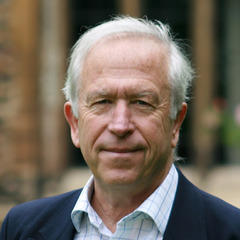
Simon Blackburn is a renowned British philosopher known for his contributions to ethics and philosophy of language. His research spans across various fields including moral philosophy, logic, philosophy of language, and philosophy of religion. Blackburn's works are extensive, including analyses of moral intuition, the meaning of language, and philosophical arguments. more
You May Also Like
“Jeg skal alltid handle slik at den regelen jeg handler etter kunne gjelde som allmenn lov.”
“The reason America is in its death-throes is because America has lost moral authority.”
“The generation that bought the most shoes and crippled the moral footing”
“Everybody wants to be part of a success story, But no one want to be the writer of this story.”
“Morals are nothing but a civilized society’s attempt to tame some beast called man.”