“He will not go behind his father's saying, And he likes having thought of it so well He says again, "Good fences make good neighbors.”
Quote by Robert Frost
Work
The poetry of Robert Frost
This book presents a curated selection of Robert Frost's most celebrated works, reflecting his deep engagement with nature, rural life, and the complexities of human experience. Frost's poetry is characterized by its conversational tone, vivid imagery, and philosophical depth, making it a cornerstone of American literature. more
Author
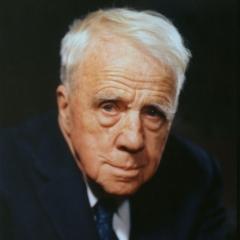
Robert Frost
Robert Frost, born on March 26, 1874, and died on January 29, 1963, was one of the most renowned poets of the 20th century in the United States. He is known for his profound philosophy and unique poetic style, which often explores themes such as nature, life, and morality. more
You May Also Like
“If you are still alive, time is now, reject sin, seek righteousness.”
Source: Sweet Blood of Mine
Source: Fences
“I know I got to eat. But I got to live too.”
Source: Fences - Screenplay
Source: Mrs. Greenthumbs: How I Turned a Boring Yard into a Glorious Garden and How You Can, Too
Source: Sunlight on the Lawn
Source: How Should a Person Be?